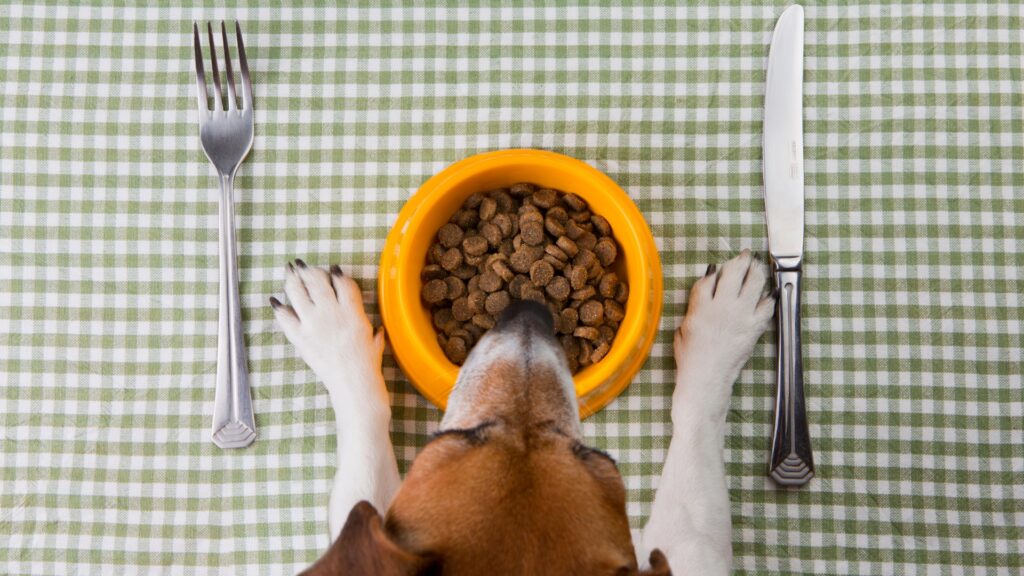

Nutrition plays a crucial role in the health and well-being of pets. Pet owners often seek guidance on how to provide balanced diets that cater to their animal’s specific needs. Feeding pets high-quality, species-appropriate foods can enhance their longevity and quality of life.
Understanding the nutritional requirements of pets is essential for maintaining their health. Many factors, such as age, breed, and activity level, influence what pets need to thrive. By educating themselves on these aspects, owners can make informed decisions about their pets’ diets.
Incorporating a variety of foods and monitoring portion sizes can help maintain a pet’s optimal weight. Regular consultations with a veterinarian about dietary adjustments ensure that pets receive the best nutrition possible. Proper nutrition not only supports physical health but also contributes to a happy and active lifestyle for pets.
Understanding Your Pet’s Nutritional Needs
Proper nutrition is essential for pets to maintain their health and well-being. Each pet has unique nutritional requirements influenced by factors such as age, breed, and specific health conditions. Awareness of these needs can help pet owners provide balanced nutrition that supports overall health.
Fundamentals of Proper Nutrition
A balanced diet for pets consists of essential nutrients, including proteins, fats, carbohydrates, vitamins, and minerals. Each nutrient plays a distinct role:
- Proteins: Important for growth, repair, and overall maintenance of body tissues.
- Fats: Provide energy and assist in the absorption of certain vitamins.
- Carbohydrates: Supply energy and help maintain digestive health.
Pet owners should choose high-quality commercial diets that meet the Association of American Feed Control Officials (AAFCO) standards. Reading ingredient labels can help identify nutritional adequacy. Serving the appropriate portions is crucial to prevent obesity and related health issues.
Life Stages and Nutritional Requirements
Pets have different nutritional requirements at various life stages. Puppies and kittens require more protein and calories to support growth. Adult pets need a balanced diet to maintain their energy levels and body condition. A senior pet often benefits from a diet that is lower in calories but higher in specific nutrients to support joint health and digestion.
Here’s a general guideline for nutritional needs based on life stages:
- Puppies/Kittens: Higher protein and fat content.
- Adult Pets: Balanced nutrition with moderate calorie intake.
- Senior Pets: Lower calories, higher fiber, and joint support nutrients.
Adjusting the diet according to these stages ensures pets receive complete nutrition tailored to their specific needs.
Recognizing Special Dietary Needs
Some pets may have special dietary needs due to health conditions or allergies. Identifying these issues early allows for appropriate dietary adjustments. Common special dietary needs include:
- Allergies: Avoiding specific ingredients is crucial for allergic pets.
- Medical Conditions: Conditions like diabetes or kidney disease often require specialized diets.
- Weight Management: Some pets need diets formulated for weight control to maintain a healthy body condition.
Consulting with a veterinarian helps determine suitable dietary changes. Regular monitoring of health status is also important to assess the effectiveness of special diets.
Selecting the Right Food for Your Pet
Choosing the right food is essential for maintaining a pet’s health. Diet varies significantly between dogs and cats, as well as across different life stages, making careful selection important. Additionally, some pets may require specialized diets to address health concerns.
Dog Food and Cat Food Essentials
Quality pet food should meet specific nutritional requirements tailored to each species. For dogs, look for food containing:
- High-quality protein such as chicken, beef, or fish.
- Healthy fats like omega-3 and omega-6 fatty acids for a shiny coat.
- Essential vitamins and minerals for overall health.
For cats, the focus shifts to a higher protein content. Key components include:
- Animal-based proteins for optimal health.
- Taurine, an essential amino acid for heart and eye health.
- Balanced carbs that support energy without leading to obesity.
Brands like Royal Canin offer breed-specific options that cater to unique dietary needs.
Choosing Food for Different Life Stages
Pets have distinct nutritional needs throughout their lives.
Kittens require specialized kitten food that supports growth with higher protein and fat content. This food aids their development and boosts their immune system. Adult dogs and cats generally thrive on balanced diets that maintain health and provide necessary nutrients without excess calories.
Senior pets benefit from diets lower in calories and enriched with joint-supporting ingredients such as glucosamine, which can alleviate arthritis pain. Choosing the right life stage-specific food helps manage weight and health issues as pets age.
Prescription Diets and Special Formulations
Some pets need prescription diets specifically designed to manage health conditions. These diets are formulated by veterinary nutritionists to target issues such as:
- Kidney disease: Low phosphorus and protein restrictions may be necessary.
- Allergies: Limited ingredient diets help identify and eliminate allergens.
- Obesity: Weight management formulas reduce calories while maintaining nutrition.
Pet owners should consult with a veterinarian to determine the best course of action. Brands that focus on these specialized needs include Royal Canin, which offers a range of prescription diets. A proper diet can significantly improve a pet’s quality of life.
Key Nutrients for Optimal Health
Maintaining a balanced diet for pets requires understanding the essential nutrients critical for their health. This section explores the key nutrients: proteins, fats, vitamins, minerals, and carbohydrates, detailing their roles and importance.
Proteins and Fats
Proteins are vital for growth, repair, and overall health in pets. They provide amino acids needed for various bodily functions. High-quality protein sources include meat, fish, and eggs. Fats are also crucial, offering a concentrated source of energy. They support skin and coat health and assist in the absorption of fat-soluble vitamins. Essential fatty acids, like omega-3 and omega-6, must be included in their diet for optimal cardiovascular and cellular health.
Vitamins and Minerals
Vitamins are organic compounds that perform a range of functions in the body. For example, Vitamin A supports vision and immune function, while Vitamin D aids in calcium absorption for strong bones. A diet rich in fruits and vegetables can help provide these nutrients.
Minerals such as calcium, phosphorus, and potassium are equally important. They play roles in bone structure, nerve function, and muscle contraction. A balanced pet diet should include both macro and trace minerals to support various physiological processes.
Understanding Carbohydrates
Carbohydrates serve as a primary energy source for pets. They can come from grains, vegetables, and fruits. Complex carbohydrates, which include fibers, are important for digestive health.
While pets do not require carbohydrates as essential nutrients, they benefit from them when included in moderation. Providing easily digestible carbohydrates can enhance energy levels while preventing obesity and related health issues.
Healthy Feeding Practices and Common Challenges
Proper nutrition involves not just the right food but also effective feeding practices. Developing a thoughtful approach can help address common issues such as portion control, pet obesity, and dietary needs linked to health conditions.
Portion Control and Free-Feeding
Portion control plays a vital role in a pet’s diet. Many pet owners inadvertently overfeed their animals, leading to excess weight. Portion sizes should be determined by the pet’s age, weight, and activity level.
Free-feeding, which involves leaving food out all day, can contribute to unhealthy eating habits. Many pets graze, which makes it challenging to monitor and manage calorie intake. A structured feeding schedule is often more effective, allowing for better control and a clearer understanding of the pet’s eating habits.
Preventing Pet Obesity
Pet obesity is a serious health concern that can lead to various diseases, including diabetes and heart issues. Owners must recognize the signs of obesity, such as difficulty in physical activity and changes in body shape.
To prevent obesity, a balanced diet that meets nutritional needs is essential. Regular exercise combined with calorie management—based on high-quality pet food and portion control—will help maintain a healthy weight. Avoiding excessive treats or human food also supports better weight management.
Nutrition for Pets With Health Conditions
Pets with health conditions like kidney disease require tailored nutrition. It is crucial to consult a veterinarian for dietary guidelines specific to the pet’s health status. For pets with kidney disease, lower protein diets may be recommended, along with controlled phosphorus levels. Understanding the unique needs of pets with chronic illnesses ensures they receive adequate nutrition without exacerbating their conditions. Choosing specially formulated diets can make a significant difference in their health and quality of life.