
Owning a pet can be a fulfilling and rewarding experience, but it also requires a lot of responsibility. Whether you’re considering getting a pet for the first time or are already a pet owner, there are some essential things you need to know to ensure that your furry friend is happy and healthy.
Choosing the Right Pet
When choosing the right pet, it’s important to consider not only your living situation and schedule but also your personality and lifestyle. For example, if you’re someone who enjoys spending time outdoors and being active it might be a good idea to contact a breeder like Winnsom Puppies and look at a dog to keep you active. On the other hand, if you prefer a more low-maintenance pet, a cat might be a better choice.
If you live in a small apartment, some good options might include a cat, a small dog, or even a bird or a fish. For those with larger living spaces and a more active lifestyle, larger dogs or even horses might be a good fit. It’s important to research different breeds and their needs to ensure that you choose a pet that fits your lifestyle and can be properly cared for.
It’s also important to consider if you have any allergies or phobias. Some breeds of dogs (like Bernedoodles, Miniature Schnauzer, Irish Water Spaniel and standard Poodles), and cats (like Siberian, Oriental Shorthair, Cornish Rex and Sphynx) are hypoallergenic and are better suited for allergy sufferers. Therefore, consulting reputable breeders like Mountain View Bernedoodles (if you are choosing this variety) can help you find a well-bred, allergy-friendly furry friend that suits your needs.
Additionally, coming to phobias, if you have a fear of snakes or rodents, it’s probably best to avoid owning one as a pet. Selecting a pet that aligns with your health considerations and comfort levels ensures a harmonious addition to your household.
Ultimately, the key to choosing the right pet is to do your research and consider all the factors involved. Don’t rush into a decision, and take the time to find the perfect pet that will bring joy and companionship into your life.
Preparing Your Home
Before bringing your pet home, it’s important to prepare your home. Ensure that your home is safe and secure for your pet by pet-proofing it. This includes removing any hazardous items, securing loose wires, and setting up a comfortable space for your pet.
Meeting Your Pet’s Basic Needs
Meeting your pet’s basic needs is just the first step in providing them with a healthy and fulfilling life. In addition to providing proper nutrition, clean water, and a comfortable living space, it’s important to ensure that your pet gets enough exercise and mental stimulation.
For dogs, this might mean daily walks or runs, trips to the dog park, or engaging in training and agility exercises. But lack of physical activity can lead to restlessness, obesity, or destructive behavior. Regular routines and interactive toys can help manage energy levels and keep them mentally stimulated. For cats, it might mean providing them with toys that encourage play and activity, such as scratching posts, climbing towers, or interactive puzzle feeders. Boredom in indoor cats can lead to stress or even depression. Rotating toys and creating vertical spaces can help prevent these issues.
Outdoor animals like horses require ample pasture space, regular grooming, and a keen eye on their health. One common condition to be aware of is mud fever in horses, which typically appears as irritated skin on the lower legs due to wet or muddy conditions. It can lead to discomfort and infection if left untreated. Natural, non-toxic remedies are often used to support healing and soothe affected areas without harsh chemicals. For smaller pets like rabbits, hamsters, and guinea pigs, it’s important to provide them with ample space to move around and explore, as well as toys and activities that keep them mentally stimulated. Confinement and poor habitat design can lead to lethargy or stress-related habits like over-grooming or bar-biting. Simple fixes like chew toys, tunnels, and occasional rearrangement of their space can keep their environment engaging.
Finally, don’t forget the importance of love and affection. Just like humans, pets need social interaction and companionship to thrive. Spend time with your pet, play with them, cuddle with them, and show them affection. The bond you form with your pet is one of the most rewarding aspects of pet ownership and is crucial to their overall well-being.
Proper Health Care
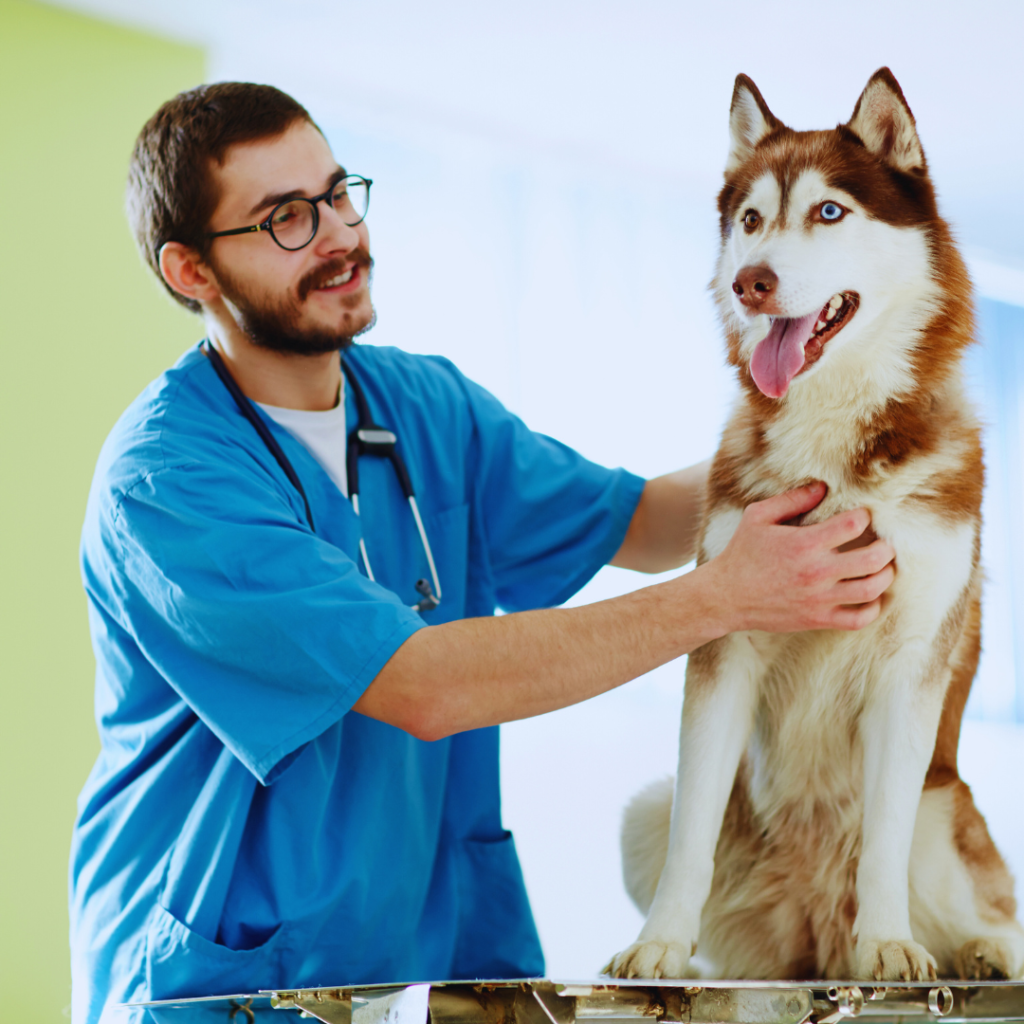
Providing your pet with proper health care is crucial. This includes taking them to the vet for regular check-ups, vaccinations, and preventative care. Grooming, especially of pets that have long fur like dogs and cats, also plays a key role in keeping them clean and comfortable. For larger animals like horses, care can go beyond the basics. Tools such as a treadmill for horses can support joint health, improve circulation, and help with rehabilitation. These types of therapeutic equipment are valuable for maintaining strength and mobility, especially in performance or aging horses.
Training and Socialization
Training and socialization are essential for your pet’s well-being and your relationship with them. Consider enrolling your pet in training classes to help them learn basic commands and proper behavior. Socializing your pet is also important, as it helps them develop social skills and prevents behavioral issues.
Conclusion
Owning a pet can be a rewarding experience, but it also requires a lot of responsibility. Choosing the right pet, preparing your home, meeting your pet’s basic needs, providing proper health care, and training and socialization are all essential for your pet’s well-being. By following these tips, you can ensure that your furry friend is happy and healthy.