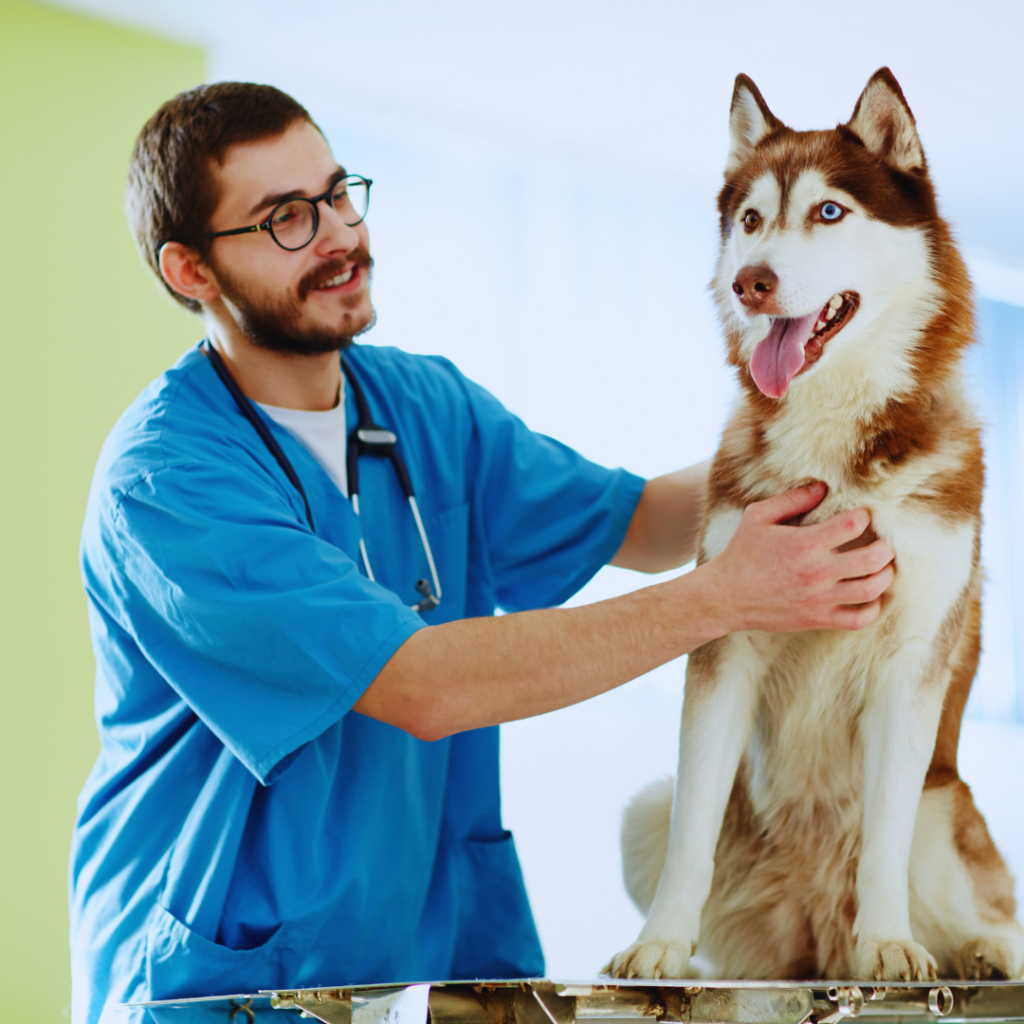

Noticing changes in a dog’s behavior or health can be concerning for any pet owner. Dogs can’t communicate in words, which makes it essential to recognize signs that indicate they may be unwell. An unwell dog may show symptoms such as lethargy, changes in appetite, vomiting, or unusual bathroom habits.
Routine observations can help identify when something is off. An attentive owner should watch for changes in energy levels, grooming habits, and social interactions. Dogs often express discomfort through body language, such as whining or avoiding favorite activities.
Taking proactive steps can lead to the early detection of health issues. Regular veterinary check-ups and being aware of behavioral shifts will result in better health outcomes for dogs. Addressing concerns promptly can make a significant difference in their well-being.
Recognizing Signs Your Dog May Be Unwell
Noticing changes in a dog’s normal behavior and health can be crucial for early intervention. Several signs may indicate a dog is unwell, such as changes in eating, behavior, and physical symptoms.
Changes in Appetite or Water Consumption
A sudden change in a dog’s appetite can be a significant indicator of health issues. If a dog refuses to eat for more than 24 hours or shows a marked decrease in food intake, it could signal an underlying problem.
Similarly, excessive thirst, known as polydipsia, may indicate conditions like diabetes or kidney disease. A dog drinking significantly more than usual or urinating frequently should be monitored. Tracking food and water intake can provide vital information for a veterinarian.
Altered Behavior and Aggression
Behavioral changes can also highlight a dog’s discomfort or illness. If a typically friendly dog becomes withdrawn, anxious, or aggressive, it may be a sign of pain or stress. Changes in energy levels, such as lethargy or restlessness, may be worth noting. For instance, if a dog that normally enjoys walks suddenly shows reluctance, this warrants further examination. Timely recognition can help address potential health issues before they escalate.
Physical Symptoms to Watch For
Physical signs can vary significantly but often reveal much about a dog’s health. Vomiting, diarrhea, or persistent coughing are common symptoms that indicate a need for veterinary care.
Other observable signs include difficulty breathing, limping, or excessive scratching. These could be related to allergies, infections, or injuries. Keeping an eye on a dog’s overall condition and noting any changes is vital.
Unusual Odors, Including Bad Breath
Unusual odors can indicate underlying health issues. Bad breath, or halitosis, is often overlooked but can be a sign of dental disease or systemic conditions. Observing any strong, foul smell coming from the mouth should prompt a veterinary visit.
Additionally, odors from the skin or ears can indicate infections. If a dog has an unusual smell that doesn’t dissipate with regular cleaning, this could signal a deeper issue. Prompt attention to these odors can lead to early diagnosis and treatment. Sometimes, these physical changes or unusual symptoms point to more serious internal conditions like tumors. When a vet discovers a growth, owners often face difficult decisions about care. Traditional options like surgery or chemotherapy can be hard on an older animal’s body. Fortunately, modern veterinary medicine now offers targeted options like canine cancer treatment that focus radiation directly on the tumor. This type of therapy helps protect the surrounding healthy tissue and keeps the pet comfortable. It is a helpful alternative for families who want to avoid invasive surgical procedures.
Determining Severity and When to Seek Help
Recognizing when a dog is unwell is crucial for timely care. Understanding the severity of symptoms can guide the owner in deciding whether immediate veterinary attention is necessary.
Identifying a Veterinary Emergency
Certain signs indicate a veterinary emergency. Painful behavior, excessive vomiting, or seizures require immediate attention. Additionally, difficulty breathing, pale gums, or uncontrolled bleeding are critical symptoms.
A quick assessment can help determine urgency:
- Difficulty Breathing: Rapid or labored breathing, wheezing.
- Severe Vomiting: Repeated vomiting or blood in vomit.
- Seizures: Any seizure episode lasting more than a few minutes.
If these symptoms arise, seeking veterinary help is essential.
Monitoring and Documenting Symptoms
Tracking symptoms over time provides valuable information for veterinarians. Keeping a detailed record of behaviors, eating habits, and any changes in energy levels can assist the vet in diagnosing the issue.
Use a simple format to record symptoms:
| Date | Symptoms Observed | Changes in Behavior |
| June 1 | Vomiting once, lethargy | Less interested in play |
| June 2 | Excessive thirst | Resting more than usual |
This log can reveal patterns and help the vet understand the severity of the condition.
Common Illnesses in Sick Dogs
Certain illnesses are more prevalent among dogs and can present distinct symptoms. Awareness of these common conditions can provide insight into the necessary actions.
- Gastrointestinal Issues: Diarrhea and vomiting are frequent symptoms.
- Infections: Symptoms like fever, coughing, or nasal discharge can indicate an infection.
- Skin Problems: Excessive scratching, hair loss, or redness may signal allergies or infections.
Recognizing these illnesses early can lead to quicker treatment and improved recovery.
Promoting Health and Preventing Illness in Dogs
Maintaining a dog’s health requires a commitment to routine care and understanding essential practices that support wellness. Attention to these areas can significantly reduce the risk of illness.
Routine Care and Wellness Checks
Regular veterinary visits are crucial for monitoring a dog’s health. Therefore, a veterinarian should conduct a thorough examination at least once a year, including checks on weight, dental health, and vital signs. In addition, vaccinations help prevent common diseases, while parasite prevention safeguards against fleas, ticks, and other health issues.
Beyond these routine checks, promoting a dog’s physical well-being through gentle, low-impact activities can be especially valuable. Activities that focus on controlled movement and muscle engagement effectively support wellness and aid recovery. For instance, therapies like canine hydrotherapy can promote safe movement and reinforce muscle tone, which in turn can help dogs recover from injury, reduce stiffness, and gradually build strength.
Furthermore, pet owners should continue observing behavioral and physical changes, including appetite, energy levels, and coat condition, as these can signal when adjustments to care or activity may be necessary.
Essential Practices for Pet Ownership
Proper nutrition is foundational for a dog’s health. A balanced diet tailored to the dog’s age, size, and activity level helps maintain weight and energy. Exercise plays a role in physical and mental health. Regular walks and playtime promote fitness and can prevent behavioral issues.
Maintaining hygiene is vital. Regular grooming, including brushing and bathing, supports skin health and can prevent infections.
Moreover, ensuring a safe environment reduces the risk of accidents. Strings, small toys, and hazardous substances should be kept out of reach. Lastly, socialization helps dogs develop good behavior patterns. Exposure to various environments, people, and other animals can build confidence and reduce anxiety.