
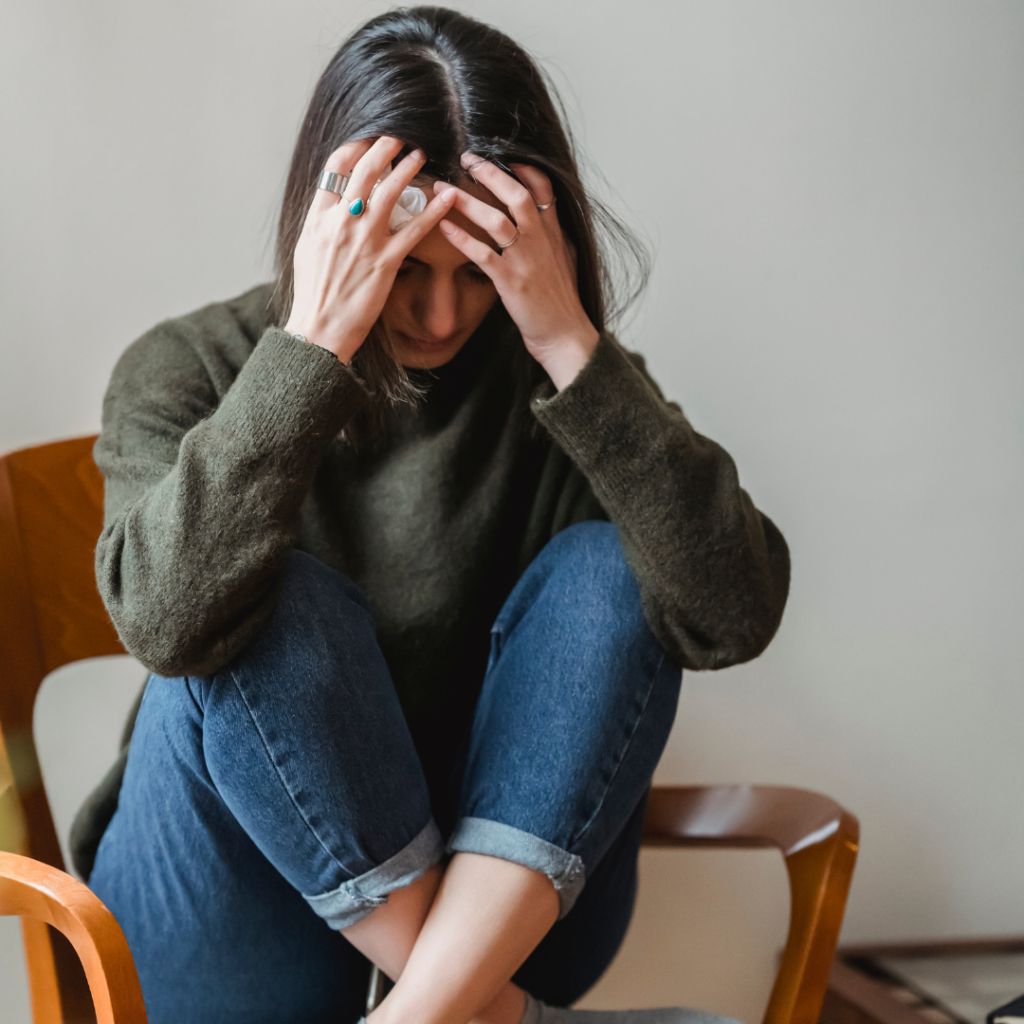
Anxiety is a normal response to stress, uncertainty, or perceived danger. When fear or worry becomes persistent, difficult to control, or disruptive to daily life, it may be part of an anxiety disorder. Anxiety can develop through a combination of genetic, environmental, psychological, and physical factors rather than from one single cause.
Stressful experiences, trauma, major life changes, physical health conditions, and patterns of sleep or substance use can all influence how anxiety develops and how strongly it is felt. Understanding these influences can help people recognize possible triggers and decide when professional support may be appropriate.
Daily habits also matter. Poor sleep, limited physical activity, an unbalanced diet, and heavy use of caffeine, alcohol, or other substances may intensify anxiety symptoms. These factors do not explain every case, but they are useful to consider as part of a broader assessment.
Understanding Anxiety
Anxiety disorders involve excessive fear, worry, or nervousness that can affect thoughts, physical sensations, behavior, and everyday functioning. Symptoms vary by person and by the type of anxiety involved.
Types of Anxiety Disorders
Anxiety disorders are classified into several categories, each with its own pattern of symptoms and triggers.
- Generalized Anxiety Disorder (GAD) involves persistent and difficult-to-control worry about areas such as work, health, finances, or family life.
- Social Anxiety Disorder involves intense fear of social or performance situations, often linked to concerns about embarrassment, scrutiny, or rejection.
- Panic Disorder includes recurrent panic attacks and ongoing concern about having further attacks or experiencing their consequences.
- Specific Phobias involve intense fear of a particular object or situation, such as heights, spiders, flying, or medical procedures.
- Agoraphobia involves fear of situations in which escape may feel difficult or help may not be readily available.
- Separation Anxiety Disorder involves excessive fear or distress related to being apart from an attachment figure.
- Selective Mutism is characterized by a consistent inability to speak in certain social settings despite being able to speak in others.
Common Symptoms and Signs
Anxiety can appear through emotional, physical, cognitive, and behavioral symptoms. Common signs include:
- Persistent worry or fear: Repeated concern that is difficult to control and disproportionate to the situation.
- Physical symptoms: Sweating, shaking, nausea, heart palpitations, shortness of breath, muscle tension, headaches, or dizziness.
- Emotional symptoms: Nervousness, irritability, restlessness, tension, or a sense of impending danger.
- Cognitive symptoms: Difficulty concentrating, racing thoughts, catastrophizing, or feeling mentally overwhelmed.
- Behavioral signs: Avoiding situations, people, places, or responsibilities that trigger anxiety.
Occasional anxiety does not necessarily indicate a disorder. A qualified health professional can assess the duration, severity, triggers, and effect of symptoms while considering possible medical or substance-related causes.
Causes and Risk Factors
Anxiety may arise from several interconnected influences. Genetics, early experiences, current stressors, physical health, personality traits, and learned coping patterns can all affect risk.
Genetic Influences
Anxiety disorders can run in families, although genetics do not determine that a person will develop one. Inherited differences in stress response, temperament, and neurotransmitter systems may contribute to vulnerability when combined with environmental and psychological factors.
Traits such as high sensitivity to uncertainty or a tendency toward negative emotional reactions may also increase risk. These traits can be influenced by both biology and experience.
Environmental Factors
Environmental stress can play a substantial role in the development or worsening of anxiety. Trauma, abuse, neglect, chronic conflict, financial pressure, discrimination, caregiving demands, or major changes may contribute to persistent fear and hypervigilance.
Children exposed to chronic stress may become more sensitive to later stressors. Life transitions such as changing schools, moving, losing a loved one, ending a relationship, or beginning a demanding job can also trigger significant anxiety responses.
People from immigrant backgrounds or communities of color may experience anxiety alongside identity-related stress, intergenerational pressure, discrimination, language barriers, or cultural expectations that shape both symptoms and help-seeking.
Therapy that recognizes these contexts may help people feel better understood and make treatment strategies more relevant to their lives. For readers exploring this route, sites like lifemigrationtherapy.com can outline culturally informed approaches tailored to adult children of immigrants and other underserved voices.
Physical and Health Factors
Some physical health conditions can cause or intensify anxiety-like symptoms. Thyroid disorders, heart or respiratory conditions, chronic pain, diabetes, and medication side effects may affect heart rate, sleep, energy, concentration, or mood.
Hormonal changes during menstrual cycles, pregnancy, the postpartum period, or menopause may also influence anxiety for some people. Older adults may experience anxiety related to illness, mobility, bereavement, isolation, or changes in independence.
Because physical and mental health can interact, a thorough assessment may include medical history, current medications, sleep, substance use, and recent changes in health.
Impact of Lifestyle Factors
Lifestyle factors can influence the frequency and intensity of anxiety symptoms. They are not substitutes for clinical care, but they may form part of a broader management plan.
Diet, Caffeine, and Alcohol
Regular meals and a balanced diet can support general health and stable energy levels. In contrast, high caffeine intake may increase restlessness, rapid heartbeat, shakiness, and sleep disruption, which can feel similar to or worsen anxiety.
Alcohol may produce temporary relaxation, but its effects can be followed by disrupted sleep, lower mood, rebound anxiety, or increased reliance on drinking as a coping method. Some prescription and nonprescription medications can also affect anxiety, so sudden or unexplained symptoms should be discussed with a qualified clinician.
When Anxiety and Substance Use Overlap
Some people use alcohol or other substances to reduce fear, tension, or intrusive thoughts. Although this may feel helpful in the moment, repeated use can worsen sleep, mood, concentration, and anxiety over time. Anxiety may also intensify during intoxication, withdrawal, or attempts to reduce substance use.
When anxiety and substance use are affecting each other, treating them as separate problems may leave important needs unaddressed. Los Angeles readers comparing integrated care can review Legacy Healing LA for information about dual-diagnosis treatment, in which substance use and co-occurring mental health concerns are assessed together. The appropriate level of care depends on the individual’s symptoms, substance use, medical history, and safety needs.
Stress and Work-Life Balance
Long hours, high pressure, insecure employment, unclear expectations, and a lack of support can all contribute to work-related anxiety. Practical measures such as clearer boundaries, realistic workloads, regular breaks, exercise, and conversations with a manager or health professional may help reduce strain.
Sleep and recovery time are also important. Maintaining a consistent sleep schedule, limiting work outside agreed hours, and making time for relationships or restorative activities can support overall well-being.
Management and Treatment Options
Anxiety treatment may involve psychotherapy, medication, lifestyle changes, or a combination of approaches. The most suitable plan depends on the type and severity of symptoms, physical health, substance use, previous treatment, and personal preferences.
Psychotherapy and Counseling
Psychotherapy can help people understand their anxiety, recognize unhelpful thought or behavior patterns, and develop practical coping skills. Cognitive behavioral therapy (CBT) is commonly used and may include learning to evaluate anxious thoughts, reduce avoidance, and gradually face feared situations.
Other approaches may include exposure-based therapy, acceptance and commitment therapy, trauma-focused treatment, mindfulness-based interventions, or supportive counseling. The right approach depends on the person’s symptoms, history, and treatment goals.
Ultimately, personal therapy for anxiety can provide individual attention and tailored strategies for addressing specific triggers and challenges. The quality of the therapeutic relationship, the clinician’s qualifications, and the fit between the treatment approach and the person’s needs are important considerations.
Medication and Medical Treatment
Medication can be helpful for some people with anxiety. Selective serotonin reuptake inhibitors (SSRIs) and related medications are commonly considered for ongoing symptoms, although benefits, side effects, and the time needed to see improvement vary.
Benzodiazepines may sometimes be prescribed for short-term use, but they can cause sedation and carry risks including tolerance and dependence. Other medications may be considered for particular symptoms or circumstances. Medication decisions should be made with a qualified prescriber who can review health conditions, other medicines, alcohol or drug use, and potential interactions.
Some clinics also promote adjunctive biomedical or wellness approaches. Evidence and regulatory status can vary, so these options should not be treated as replacements for established care without appropriate clinical guidance.
For readers based in Glasgow who want a locally focused description of complementary services, Anxiety Treatment Glasgow outlines the provider’s approach to NAD+ drips, relaxation technologies, and neuromodulation. Anyone considering these services should ask about the supporting evidence, practitioner qualifications, possible risks, and how the treatment would fit alongside conventional care.
Self-Help and Coping Strategies
Self-help strategies may reduce everyday stress and support formal treatment. Regular physical activity, breathing exercises, yoga, mindfulness, and a consistent sleep routine can help some people regulate physical arousal and feel more in control.
Journaling may help identify triggers, repeated thoughts, and patterns of avoidance. Breaking tasks into manageable steps and maintaining predictable routines can also reduce uncertainty.
Peer or support groups can provide encouragement and shared experience, although they should not replace professional assessment where symptoms are severe, persistent, or linked to substance dependence. People experiencing immediate danger, severe withdrawal, or thoughts of self-harm should seek urgent professional or emergency support.