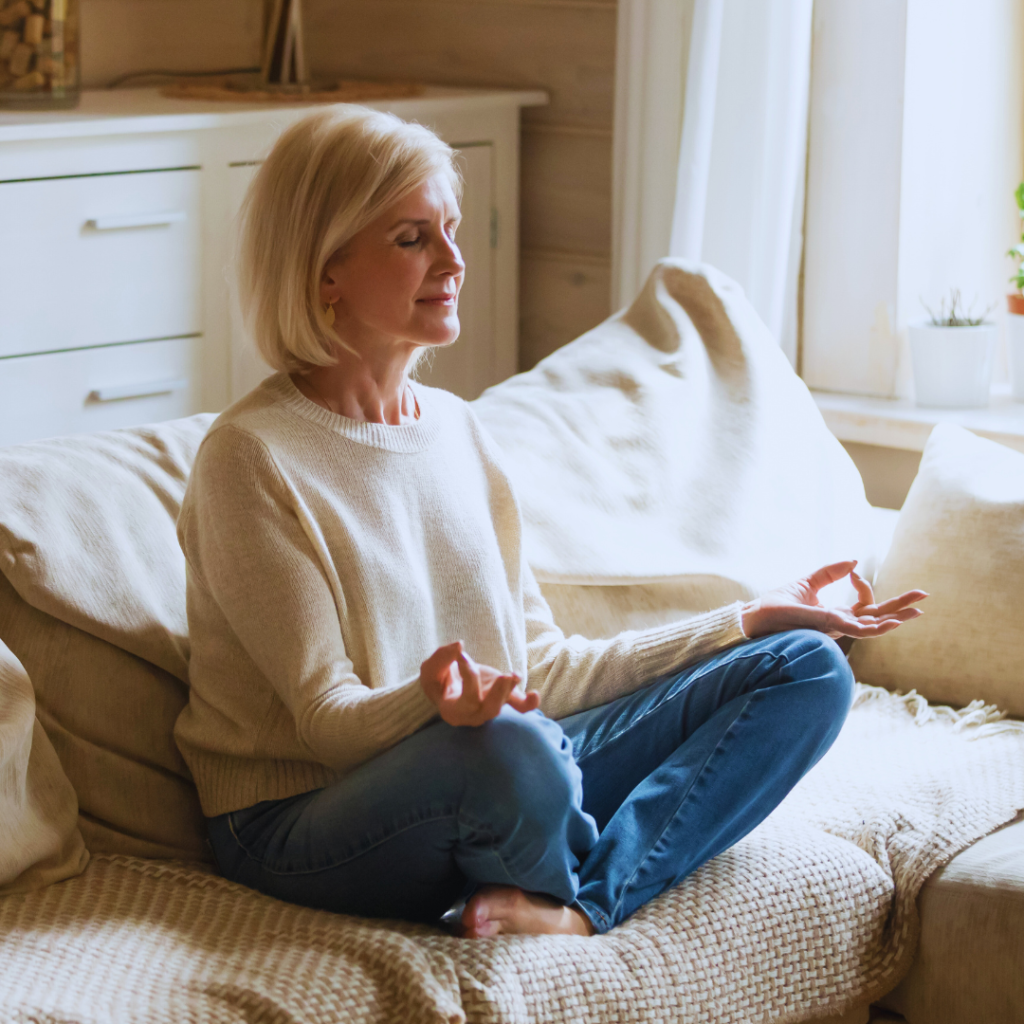

Amid the hustle of daily life, prioritizing self-care can often feel like a luxury rather than a necessity. Simple self-care routines can significantly enhance one’s well-being and provide essential moments of rejuvenation. By incorporating easy practices into a daily routine, individuals can create a foundation for better mental and physical health.
From mindful breathing exercises to short walks in nature, these routines require minimal time yet offer substantial benefits. Understanding the importance of self-care helps individuals recognize that small, consistent actions can lead to lasting improvements in their overall quality of life. Each step taken toward self-care is a commitment to personal well-being that can ripple out into other areas of life.
Establishing a Self-Care Foundation
Building a solid foundation for self-care is essential for maintaining balance in mental, emotional, and physical health. This involves understanding the concept of self-care, setting practical goals, and integrating these practices into daily routines.
Understanding Self-Care and Its Importance
Self-care is about more than just taking a break, it’s about nurturing both body and mind. Small daily habits like eating well, exercising, and practicing mindfulness contribute to overall balance, while addressing personal health needs can boost confidence and well-being.
Oral health plays an important role in overall self-care, as it directly affects both physical health and self-confidence. By maintaining regular check-ups and practicing proper dental hygiene, individuals can prevent issues before they arise. Additionally, cosmetic treatments offered by Beverly Hills cosmetic dentistry and similar providers can enhance one’s smile, reinforcing the idea that true self-care includes caring for both health and appearance.
Many people start their journey toward better self-esteem by looking at their smile. A bright and straight set of teeth often makes a person feel more comfortable in social settings. If you live in Southern California, consulting a San Diego cosmetic dentist is a practical way to explore these options. They provide services like teeth whitening or porcelain veneers that fix minor imperfections. These changes help people feel more like themselves when they talk or laugh. Taking this step is a form of personal investment that pays off in daily confidence.
Setting Realistic Goals and Boundaries
Establishing realistic goals is crucial in creating an effective self-care routine. Individuals should focus on what is attainable within their daily lives. Setting specific, measurable, achievable, relevant, and time-bound (SMART) goals can aid in this process.
Boundaries play a significant role in self-care. They help define personal limits and ensure that time and energy are allocated to nurturing oneself. For example, dedicating a certain hour each day to relaxation or creative pursuits establishes a boundary that protects personal time.
Integrating Self-Care Into the Daily Routine
Incorporating self-care into daily routines requires consistency and commitment. Individuals can start by designating specific times for self-care activities each day. This can include activities such as exercise, meditation, or journaling.
Creating a checklist or schedule can help maintain accountability. For instance, an individual may plan for 30 minutes of physical activity followed by 15 minutes of mindfulness practice. Over time, these small, intentional actions contribute to a more balanced life and improved overall health.
Physical and Emotional Self-Care Techniques
Maintaining physical and emotional well-being is crucial for a balanced life. Effective techniques can enhance vitality, promote relaxation, and support healthy eating and sleeping habits.
Exercise and Movement for Vitality
Engaging in regular physical activity boosts energy levels and overall health. Activities like walking, cycling, or yoga improve cardiovascular fitness while enhancing mood through the release of endorphins.
Incorporating movement into daily routines is essential. It can be as simple as taking the stairs instead of the elevator or doing stretches during breaks. Aim for at least 150 minutes of moderate exercise weekly.
Example Activities:
- Walking or jogging: A great way to clear the mind.
- Yoga: Incorporates mindfulness and physical fitness.
- Strength training: Builds physical resilience.
These practices foster not only physical strength but also emotional stability.
Moreover, to maintain these benefits over time, focusing on recovery and overall physical balance becomes equally important.
Many individuals incorporate additional wellness approaches, such as peptides from reputable sites like www.rebelpeptides.com/. These can aid muscle recovery, support tissue repair, and help sustain energy levels, particularly during regular physical activity.
Ultimately, combining consistent movement with proper recovery strategies creates a more sustainable and well-rounded approach to long-term health and vitality.
Mindfulness and Relaxation Practices
Mindfulness techniques, such as meditation, help reduce stress and promote emotional well-being. Individuals can start with just a few minutes daily, gradually increasing the duration.
Relaxation techniques can include:
- Deep breathing exercises: Inhale deeply through the nose, hold, then exhale.
- Guided imagery: Visualize peaceful scenes to reduce anxiety.
- Progressive muscle relaxation: Tensing and relaxing muscle groups sequentially.
Creating a calming space for these practices enhances their effectiveness. It’s important to find a routine that integrates mindfulness into everyday life.
Nutrition and Restful Sleep for Energy
A balanced diet significantly influences physical and emotional health. Consuming whole foods, fruits, vegetables, and healthy snacks contributes to sustained energy levels.
Key nutritional tips include:
- Hydration: Drink plenty of water throughout the day.
- Healthy snacks: Opt for nuts or yogurt for sustained energy.
- Balanced meals: Include proteins, carbohydrates, and fats.
Sleep is equally vital. Establishing a consistent sleep schedule and creating a restful environment can improve sleep quality. Aim for 7-9 hours of restorative sleep each night to enhance both mental clarity and emotional resilience.
Enriching Personal Growth and Happiness
A focus on personal growth and happiness enhances well-being and life satisfaction. Engaging in hobbies, practicing gratitude, and nurturing social connections significantly contribute to overall fulfillment.
Exploring Hobbies and Creativity
Hobbies provide a constructive outlet for stress relief and personal expression. They allow individuals to explore interests outside of daily responsibilities, fostering creativity. Engaging in activities like painting, gardening, or playing a musical instrument can lead to increased self-esteem and a sense of accomplishment.
Moreover, learning new skills through hobbies reduces anxiety and boosts mood. Activities that require focus, such as crafting or cooking, can redirect thoughts away from stressors, promoting relaxation.
Setting aside time for hobbies not only enriches personal interests but also enhances cognitive abilities and emotional health. Incorporating at least one hobby into a weekly routine can spur personal growth and bring joy.
Cultivating Happiness Through Gratitude and Positivity
Practicing gratitude is a powerful self-care strategy that significantly impacts happiness. Keeping a gratitude journal, where one notes daily positive experiences, helps shift focus from challenges to blessings. This simple act can elevate mood and foster a more optimistic outlook.
In addition, using positive affirmations reinforces self-worth and boosts confidence. Repeating affirmations promotes a mindset that embraces possibilities and potential. These tools can help counter negative thoughts and encourage a positive perspective on life.
Gratitude and positivity can create a ripple effect. Individuals who practice these regularly often experience improved relationships and enhanced emotional resilience.
Enhancing Social Connections
Building and maintaining social connections is vital for happiness and personal growth. Positive social interactions reduce feelings of isolation and increase life satisfaction. Engaging with friends or family through regular meetups or virtual hangouts strengthens bonds and provides emotional support.
Moreover, participating in group activities, such as clubs or volunteer work, offers opportunities to meet new people and develop meaningful relationships. This fosters a sense of community, which in turn enhances overall well-being.
Quality interactions, whether deep conversations or casual catch-ups, play a crucial role in mental health. Investing time in social connections contributes significantly to happiness and personal growth.
Integrating Self-Care Practices Into Everyday Life
Incorporating self-care into daily routines is essential for maintaining well-being and productivity. Whether that means indulging in a Swedish Massage in Winter Springs, FL to relieve tension and promote relaxation, or taking a moment to meditate, journal, or enjoy a quiet walk, these practices can rejuvenate both the mind and body. Simple self-care activities can be seamlessly woven into everyday life, enhancing self-compassion and promoting lasting habits.
Practical Tips for Efficient Self-Care
Creating a self-care routine requires intentional planning. He or she can start by identifying activities that resonate with them, such as:
- Mindfulness practices: Daily meditation or journaling can foster self-awareness.
- Physical activity: Even short walks or stretching can boost mood and energy.
- Scheduled breaks: Setting specific times for relaxation improves focus and productivity.
Using tools like calendars or apps can help establish and remind them of these routines. Keeping self-care activities simple and flexible encourages adherence. It may also be useful to create a self-care toolkit with resources like calming music or favorite teas.
Maintaining Momentum and Adaptability
Consistency is key to making self-care a habit. To maintain momentum, he or she should regularly assess their routines and adjust as needed. Flexibility can accommodate changing schedules and energy levels.
Incorporating variety in self-care practices is beneficial. Trying new activities like art, gardening, or DIY projects can keep them engaged. Additionally, fostering self-compassion allows for grace during challenging times when routines may falter.
Setting realistic goals ensures that self-care remains manageable. Small, achievable steps can lead to lasting habits. Celebrating even minor successes reinforces commitment to these self-care ideas.