
Creating a fitness routine that includes both you and your pet can lead to a healthier, happier lifestyle for both parties. Combining exercise with pet activities not only enhances physical fitness but also strengthens the bond between you and your furry friend. Engaging in shared workouts can make the routine more enjoyable and motivating, ensuring that exercise becomes a cherished part of daily life.
From brisk walks to playful fetch sessions, there are numerous ways to incorporate pets into fitness goals. These activities help dogs expend energy and promote better behavior, while owners benefit from improved cardio and strength. By choosing routines that cater to both human and animal fitness needs, everyone involved can reap the rewards of a more active lifestyle.
Pets thrive on routine and structure, making it easy to develop an integrated fitness plan. With a bit of creativity, individuals can discover exercises that keep them energized and their pets happy. This not only fosters a sense of companionship but also sets the stage for long-term health benefits.
Benefits of Fitness Routines for You and Your Pet
Engaging in fitness routines with pets offers numerous advantages. These routines not only strengthen the bond between a pet and its owner but also contribute positively to physical and mental health. Additionally, working out together can enhance motivation, making consistent exercise easier to maintain.
Strengthening the Human-Pet Bond
Fitness routines provide an excellent opportunity to cultivate a deeper connection between pets and their owners. When they exercise together, they share experiences that build trust and affection.
Activities such as jogging, hiking, or playing fetch can enhance communication. Pets respond to their owners’ cues, improving their understanding of each other. Incorporating training exercises also fosters a sense of teamwork. This interaction helps to establish a strong emotional bond, making both parties feel valued and content.
Improving Physical and Mental Health
Fitness routines significantly impact the physical well-being of both pets and their owners. Regular physical activity helps maintain a healthy weight, reducing the risk of obesity-related conditions.
For pets, activities like agility training or swimming can enhance muscle tone and cardiovascular health. Owners also benefit from improved endurance and strength through shared exercises. Mental health is greatly enhanced as well. Exercise releases endorphins in both humans and animals, reducing stress and anxiety. This leads to happier, more fulfilled lives for both pets and owners.
Enhancing Motivation for Consistent Exercise
Working out with a pet can be a powerful motivator for establishing a regular fitness routine. Pets require exercise, prompting their owners to stay active. By incorporating pets into workouts, owners create a structured schedule. Consistency becomes easier as pets thrive on routine, encouraging owners to engage more regularly.
The joy of seeing a pet enjoy their activities can also inspire owners. Pets often display enthusiasm and energy that can be contagious, making exercise feel less like a chore. Overall, these shared experiences foster an environment where fitness becomes an enjoyable part of daily life for both pets and their owners.
Designing Safe and Effective Fitness Routines
Creating safe and effective fitness routines for pets involves careful assessment of their needs and health conditions. Tailoring activities to suit different breeds and ages is essential, along with prioritizing joint health and injury prevention.
Assessing Exercise Needs and Health Conditions
Determining the right exercise routine begins with an evaluation of the pet’s health. This includes assessing any pre-existing health conditions, such as arthritis or obesity. Consulting a veterinarian can provide insights into safe exercise levels.
Pet owners should consider factors like age, weight, and breed. For instance, a young Labrador may need more vigorous activities compared to an older Chihuahua. Keeping a record of any health concerns helps in creating an adaptable fitness plan.
Adapting Activities for Different Breeds and Ages
Each breed and age group has unique physical capabilities and energy levels. High-energy breeds, like Border Collies, require rigorous workouts, while smaller, older pets might benefit from gentler activities.
Owners should diversify exercise routines. Activities can include brisk walks, games of fetch, or agility training for energetic pets, while older or less active animals may enjoy leisurely walks or gentle stretching. Maintaining variety not only keeps pets engaged but also caters to their fitness needs more effectively.
Prioritizing Joint Health and Injury Prevention
Joint health is crucial for keeping pets active. Engaging in low-impact exercises, such as swimming or slow-paced walking, can help maintain joint mobility without risking injury.
Regular warm-ups and cool-downs are important before and after exercise. This helps to prepare the muscles and joints, reducing the chance of strains. Observing pets for signs of discomfort during and after activities allows for any necessary adjustments to their routines.
Using appropriate gear, like supportive harnesses, can further enhance safety during workouts. Owners should remain vigilant and proactive in adapting fitness routines to ensure long-term health and activity for their pets.
Popular Activities and Exercises to Enjoy Together
Engaging in physical activities with pets not only improves their health but also strengthens the bond between them. Various activities cater to different fitness levels and preferences.
Walking, Jogging, and Running with Your Pet
Walking is a fundamental activity that can be tailored to suit both pet and owner. It can start as a stroll and gradually become a brisk walk or jog based on the pet’s fitness level.
Owners should use a leash for safety, especially in busy areas. Regular walking or jogging helps maintain a healthy weight for pets and encourages cardiovascular health. Schedule these outings to ensure consistency in the exercise routine. For added benefits, consider incorporating interval training during runs. This means alternating between running and walking, which can keep pets engaged and boost their stamina.
Playing Fetch and Active Playtime Games
Fetching is a classic and effective way to get pets moving. This game encourages them to sprint, jump, and engage their muscles. With a simple ball or Frisbee, owners can create a fun environment that promotes physical fitness.
Engage in other active games like tug-of-war or hide-and-seek to enhance playtime. These activities stimulate mental engagement as well as physical exertion. Owners should ensure play areas are safe and free from hazards. Regular active play can enhance a pet’s mood and energy levels while strengthening the bond between owner and pet.
Exploring Agility Courses and Dog Parks
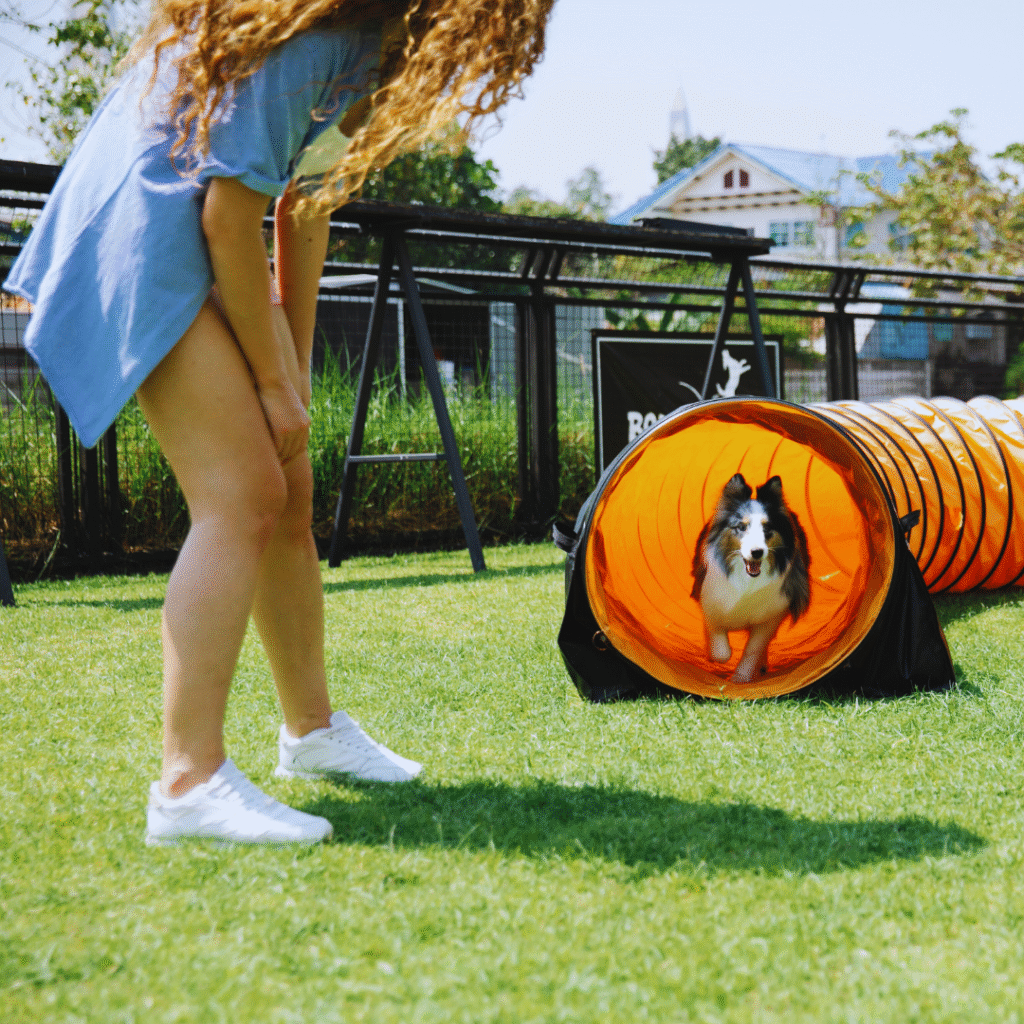
Agility courses provide an exciting way for pets to exercise while developing their skills. Many community dog parks have specific areas for agility training, complete with obstacles like tunnels, jumps, and weave poles.
These courses challenge pets both physically and mentally, making exercise less monotonous. Training sessions can be casual or formal, depending on the pet’s interest and skill level. Visiting dog parks can facilitate socialization with other pets while allowing for plenty of running and play. Owners should supervise their pets to ensure safe interactions and maximize enjoyment.
Creative Fitness Routines and Wellness Activities
Engaging in creative fitness routines with pets enhances both physical well-being and mental health. These activities can stimulate quick bonding and help maintain a healthy lifestyle for both owner and pet.
Dog Yoga (Doga) for Mindfulness and Flexibility
Dog yoga, commonly known as doga, combines traditional yoga poses with pet interaction. This practice focuses on mindfulness, flexibility, and relaxation for both the dog and the owner. Classes often encourage participants to perform poses while gently stretching their dogs. This can include positions like the “downward dog” or “triangle pose,” adapted to suit the dog’s comfort level.
Benefits include improved bonding and reduced anxiety, fostering a tranquil environment for both. Practicing doga enhances physical fitness and promotes a deeper understanding of the dog’s body language, which can improve communication between owner and pet.
Indoor and Outdoor Alternatives for All Seasons
Exploring various fitness routines allows for consistent activity, regardless of the weather. Indoor options include interactive games such as hide-and-seek or fetch using soft toys. Outdoor activities are diverse, ranging from hiking to running, depending on the dog’s energy levels and fitness.
Setting up agility courses can stimulate mental and physical activity. Using household items like cones or tunnels creates engaging challenges. Seasonal considerations help maintain a balanced routine. In summer, early morning walks prevent overheating, while winter invites games in the snow. Variety keeps pets interested and motivated.