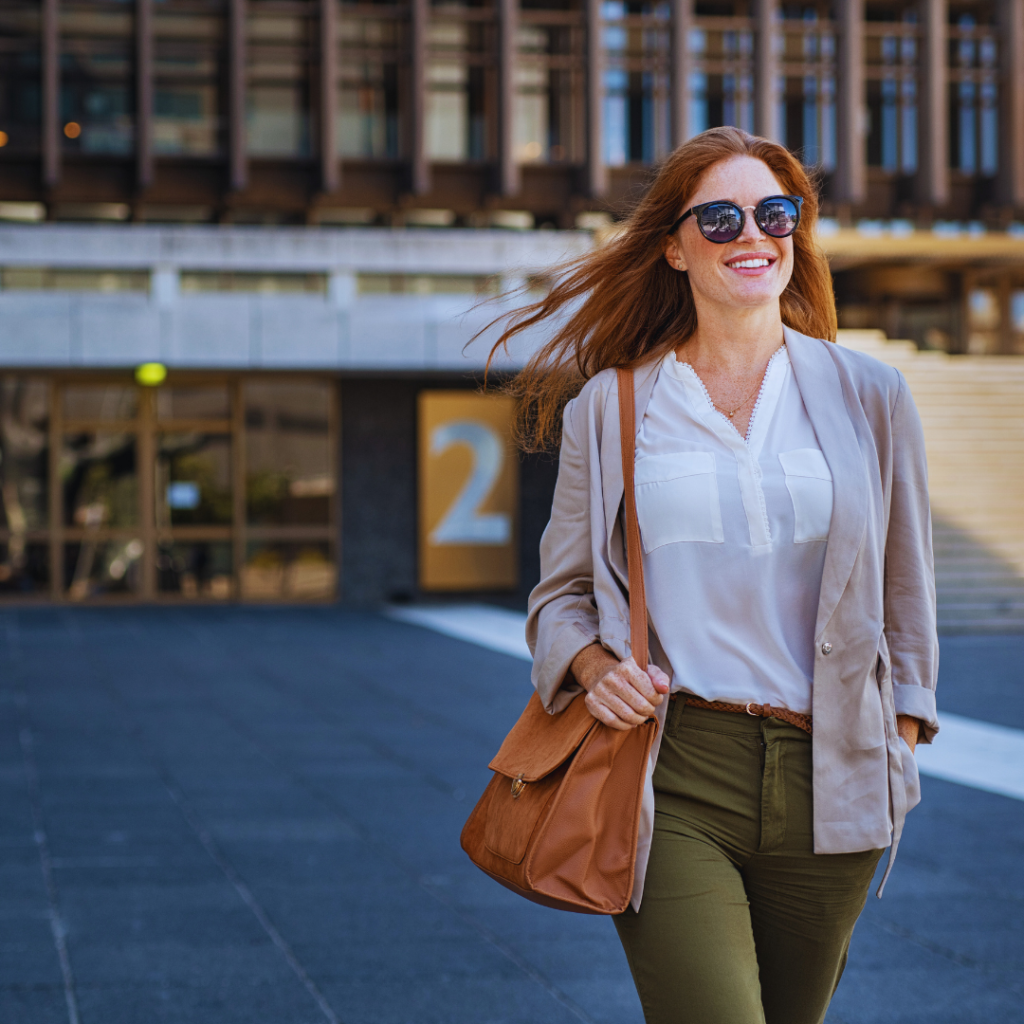

Mastering the art of layering outfits can transform a wardrobe from ordinary to extraordinarily versatile. By combining different pieces and textures, individuals can create stylish ensembles suitable for various occasions, from casual outings to more formal settings. This guide will explore essential tips and methods for effective layering, ensuring that each outfit remains functional and fashionable.
Understanding how to balance colors and proportions is crucial when layering. They can play with lengths and styles to develop a cohesive look that suits their taste. Layering not only adapts to changing weather conditions but also showcases creativity through mix-and-match techniques.
Practical layering strategies include selecting lightweight fabrics and incorporating versatile accessories. By following these guidelines, they can maximize their wardrobe’s potential, making getting dressed each day a dynamic and enjoyable experience. Embracing the layering technique opens up endless possibilities for personal expression.
Understanding the Art of Layering
Layering is a strategic approach to outfit creation, enhancing versatility and adaptability. By mastering the art of layering, individuals can navigate varying conditions and occasions with ease. This section explores why layering is essential and when to implement these techniques effectively.
Why Layering Matters for Versatility
Layering allows for multiple outfit combinations that can adapt to different environments and temperatures. A solid layering system typically consists of three main components: base layers, middle layers, and outer layers.
- Base Layers are designed for comfort and moisture management. They include items like tanks or long-sleeve shirts made from breathable materials.
- Middle Layers add warmth and structure. Examples include sweaters, cardigans, or fleece jackets.
- Outer Layers offer protection from the elements. This category includes coats, rain jackets, or windbreakers.
By combining these elements, individuals can create looks that transition seamlessly from casual to formal settings. A capsule wardrobe benefits greatly from this approach, enabling a streamlined collection of versatile pieces.
When and Where to Apply Layering Techniques
Layering techniques are applicable in various settings and climates, making them a practical choice for diverse wardrobes. For instance, in transitional seasons like spring and fall, layers can easily be added or removed as temperatures fluctuate.
- Casual Environments: Layer a graphic tee with a denim jacket for a relaxed day out.
- Office Attire: A blouse under a tailored blazer offers both professionalism and comfort.
- Outdoor Activities: Utilize moisture-wicking base layers under a lightweight jacket for hiking or sports.
Understanding when to apply these techniques is crucial in maintaining comfort while showcasing personal style. Layering effectively addresses practicality and fashion, making it indispensable in modern wardrobes.
Building the Perfect Layering System
Constructing a layering system requires careful selection of each component. The right combination enhances comfort, adaptability, and style while ensuring effectiveness across various weather conditions.
Choosing an Effective Base Layer
The base layer is crucial for moisture management and temperature regulation. Materials like merino wool and silk are excellent options due to their natural breathability and moisture-wicking properties.
- Moisture-wicking fabrics help to draw sweat away from the skin, keeping the wearer dry and comfortable.
- Merino wool offers warmth without bulk and has natural odor resistance.
- Silk is lightweight and soft, making it an ideal choice for layering in cooler climates.
Cotton is less effective for this purpose, as it retains moisture. Choosing the right base layer sets a solid foundation for effective layering.
Adding Insulating Layers for Comfort
Insulating layers are vital for retaining body heat, especially in colder environments. Options range from fleece to down jackets, each offering different levels of warmth and comfort.
- Fleece layers provide warmth while remaining lightweight and breathable. They are ideal for moderate temperatures.
- Down jackets are incredibly warm and lightweight, perfect for colder conditions. Their compressibility makes them easy to carry.
- Synthetic insulation offers versatility and moisture resistance, which is beneficial in varying climates.
Consider the activity level when choosing insulating layers. More active pursuits may require lighter, more breathable options.
Selecting Outer Layers to Finish the Look
The outer layer protects against wind, rain, and snow while complementing the entire outfit. Key features include water resistance, windproofing, and style.
- Look for jackets with water-resistant materials to shield against light rain.
- Options made from linen or modal can provide breathable coverage in warmer conditions.
- Ensure the outer layer is compatible with the underlying layers to allow for easy movement.
Prioritize versatility by opting for neutral colors that can match multiple outfits. This way, it enhances both function and fashion.
Styling Layered Outfits for Every Occasion
Layering outfits offers endless possibilities for versatility in style. By choosing the right pieces, one can adapt to various settings, from casual outings to formal events. The following subsections detail optimal footwear choices, key garment combinations, and essential accessories to elevate layered looks.
Footwear: Boots, Sneakers, and Loafers
Footwear plays a crucial role in completing layered outfits. For a polished look, ankle boots provide structure; choose styles with a low heel to maintain comfort. Sneakers offer a casual, relaxed vibe that pairs well with lighter layers. Opt for classic designs or white trainers to keep the look crisp.
Loafers add sophistication, making them suitable for work or dressier occasions. They can complement both midi dresses and tailored trousers. Consider neutral tones to maximize versatility, allowing easy pairing with various colors and patterns in the wardrobe.
Incorporating Cardigans, Turtlenecks, and Chunky Knits
Cardigans serve as versatile layering options. A lightweight cardigan can be thrown over a turtleneck for a classic look, ideal for cooler days. Choose longline cardigans to create a streamlined silhouette.
Turtlenecks are perfect for layering under dresses or sweaters, providing warmth while adding texture. A chunky knit sweater is a cozy option, particularly when paired with fitted pants. Mixing textures can enhance visual interest while ensuring the layers don’t add excessive bulk.
Layering with Midi Dresses and Tights
Midi dresses are a fantastic base for layering. They offer length and can be styled with various outerwear options. Pairing a midi dress with tights not only adds warmth but also creates a smooth base for ankle boots or loafers.
When choosing tights, consider patterns or colors that contrast or complement the dress. This layering technique is effective for transitioning through seasons, maintaining style without compromising comfort. The right dress can easily go from day to night with a simple change of outerwear.
Finishing Touches: Accessories and Leather Jackets
Accessories complete any layered outfit. A statement belt can cinch in the waist over a cardigan or dress, adding definition. Opt for bold jewelry to draw attention, especially if the outfit is more subdued in color.
A leather jacket is an indispensable addition when styling layered outfits. It introduces an edgy appeal that contrasts nicely with softer pieces like knits or midi dresses. Choose a fitted style for a polished look or an oversized design for a relaxed vibe. With the right accessories, any layered outfit can make a strong statement, adapting to various occasions effortlessly.