
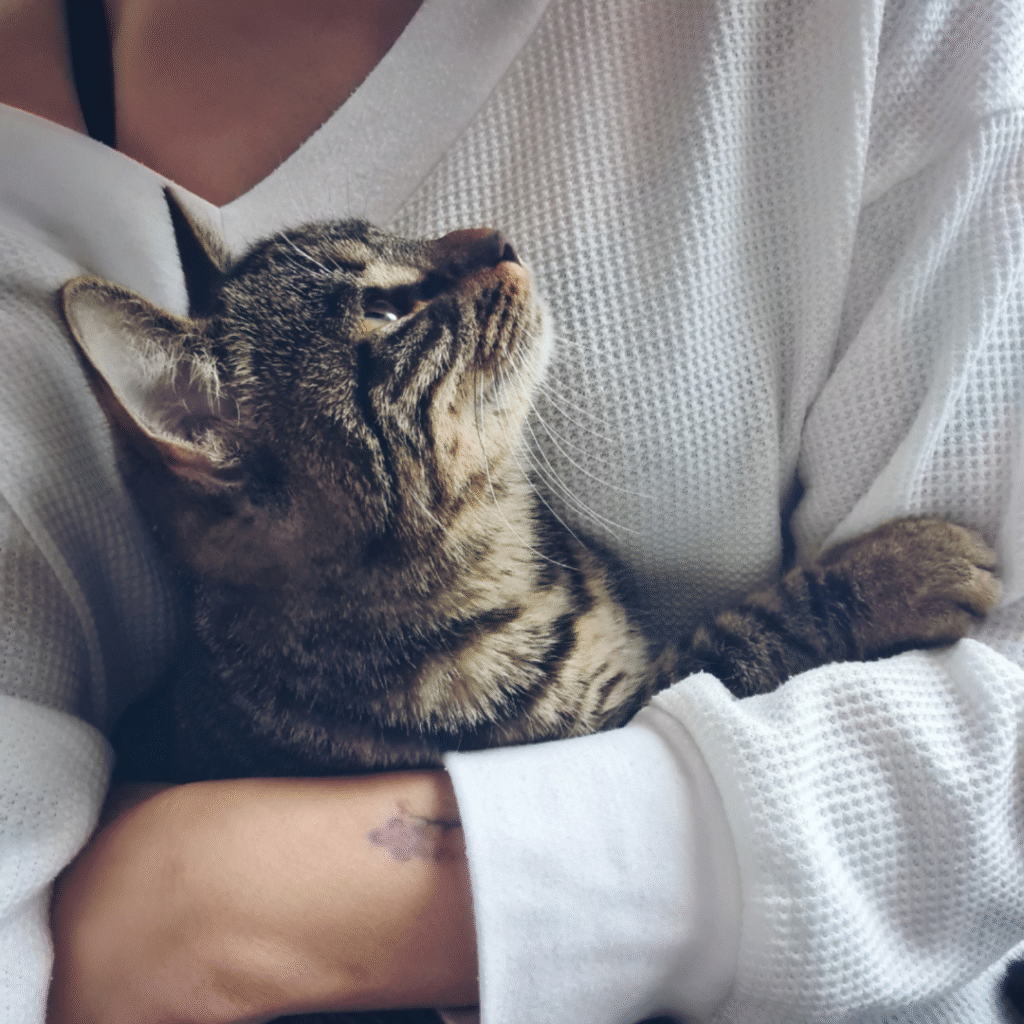
Cats often seem mysterious and independent, but they can form deep connections with their owners. To build a stronger bond with a cat, engaging in interactive play, providing consistent routines, and respecting their space are key strategies. Each cat has its own personality, so understanding their individual preferences can significantly enhance the relationship.
Spending quality time together is vital. Cats enjoy playtime with toys that mimic prey, and this type of interaction not only stimulates them but also fosters trust. Regular grooming can also be a bonding experience, allowing a cat to feel comfortable and cared for in their environment.
Creating a safe and enriching environment plays an essential role in strengthening the bond. By offering cozy spaces, vertical climbing structures, and stimulating toys, owners can help their cat feel relaxed and valued, paving the way for a closer relationship. Investing time and attention will ultimately lead to a more fulfilling companionship.
Understanding Your Cat’s Emotional Needs
Building a strong bond with a cat requires insight into its emotional landscape. Recognizing how cats communicate and the signs of their trust can significantly enhance the relationship.
Recognizing Feline Communication
Cats convey their feelings through various behaviors and vocalizations. Body language is crucial; for instance, a slow blink is a sign of affection and trust. When a cat arches its back and raises its tail, it often indicates contentment and confidence.
Vocalizations vary as well. Purring typically signals happiness, while hissing or growling suggests distress or discomfort. Pay attention to ear position; ears facing forward indicate curiosity, while pinned-back ears may indicate fear or aggression.
Engaging with a cat’s preferred communication style can foster a deeper connection. For example, mirroring their gestures can help to build rapport.
Identifying Signs of Trust
Trust is fundamental in strengthening a bond with a cat. Cats exhibit trust through specific behaviors, such as seeking proximity. If a cat chooses to sit on a person’s lap, it is a clear sign of comfort and safety.
Another indication of trust is when a cat exposes its belly. This vulnerable position suggests that the cat feels secure in its environment. Grooming behaviors also play a role; if a cat licks or nibbles a person’s hand, it shows affection. Maintaining a consistent routine can help solidify trust as well. Regular feeding, playtime, and interaction create a predictable environment in which the cat can thrive.
Building Trust Through Daily Interactions
Establishing a strong bond with a cat requires consistent interactions that promote trust. Daily routines, respect for their space, and positive reinforcement are key components that help deepen the connection.
Respecting Personal Space
Cats value their personal space. Offering them a safe environment to retreat to when they feel overwhelmed is vital. They often prefer to approach at their own pace.
Signs to watch for include:
- Ears angled back: Indicates discomfort.
- Tail position: A lowered tail can signify a desire for distance.
When a cat seeks interaction, she will usually do so by approaching gently. Resisting the urge to engage physically until invited fosters a sense of safety for the cat.
Establishing Routine and Predictability
Cats thrive on routine. Regular feeding, playtime, and grooming schedules help create a stable environment. Predictability reduces anxiety, as they learn what to expect throughout the day.
To build this routine, try the following:
- Feeding at the same times daily: This reinforces the expectation of meals.
- Consistent play sessions: Allocating time for interactive play fosters engagement.
Using a consistent tone of voice during interactions also signals routine. It reassures the cat and builds trust over time.
Positive Reinforcement Techniques
Positive reinforcement strengthens the bond between a cat and their owner. Rewarding specific behaviors enhances a cat’s understanding of expectations.
Consider these methods:
- Treats: Offer small snacks when the cat behaves positively, like using the litter box or playing properly.
- Praise: Use a soft, excited voice to congratulate them when they are friendly.
Avoid negative responses or punishment, as these can damage trust. Focus on encouraging desired behaviors to help reinforce the bond effectively.
Deepening Your Connection with Interactive Play
Interactive play is a key method for strengthening the bond between a cat and its owner. Engaging in playful activities not only provides mental stimulation but also reinforces trust and companionship.
Choosing Engaging Toys
Selecting the right toys is crucial for effective interactive play. Toys should mimic prey behavior to align with a cat’s instincts.
Top toy options include:
- Wand toys: Encourage jumping and chasing.
- Laser pointers: Stimulate fast movements, but should be complemented with tangible rewards.
- Feather toys: Appeal to a cat’s hunting skills.
When introducing new toys, consider the cat’s personality. Some may prefer solo play with squeaky toys, while others thrive in dynamic environments. Ensure the toys are safe, avoiding small parts that could pose a choking hazard.
Stimulating Hunting Instincts Safely
Cats are natural hunters. Incorporating hunting elements into playtime can enhance their satisfaction.
To stimulate these instincts safely, practice the following:
- Create a “hunt”: Use treats hidden in puzzle toys to engage their sense of smell and encourage problem-solving.
- Vary the pace: Alternate slow and fast movements to mimic real prey. This keeps the cat excited and engaged.
- Supervise playtime: Always watch interactions with toys to prevent accidents.
Ultimately, interactive play should be a combination of fun and safety. Creating an engaging environment allows for deeper connections and keeps cats physically and mentally sharp.
Enhancing Your Cat’s Environment for Lasting Bonds
Creating a nurturing environment is key to strengthening the bond between a cat and its owner. Specific adjustments can make a significant difference in a cat’s comfort and happiness.
Creating Comfort Zones
Cats are sensitive creatures that thrive in secure spaces. Establishing comfort zones in the home can help them feel safe and welcomed.
- Designated Areas: She should create silent spots, like a cozy bed or a hidden nook, where the cat can retreat. Use soft blankets and small, enclosed spaces to make them feel secure.
- Vertical Space: Adding shelves or cat trees allows the cat to observe its surroundings from a height, which can reduce anxiety and promote exploration.
Maintaining cleanliness and ensuring that food and water are accessible will also enhance these comfort zones. Regularly check for any stressors and adjust the environment accordingly.
Enriching Daily Life and Mental Stimulation
Mental stimulation is essential for a cat’s well-being. Engaging activities can help strengthen the bond between the cat and its human.
- Interactive Toys: Toys that require problem-solving skills or simulate prey can keep a cat mentally engaged. Puzzle feeders are a great option to combine feeding with play.
- Scheduled Playtime: Allocating specific times for play can create a routine, enabling the cat to anticipate interaction moments. Using feathers or laser pointers can encourage physical activity.
Implementing these elements creates an enriched environment where the cat feels valued and stimulated. A cat that enjoys its surroundings is likely to form a stronger connection with its owner.