
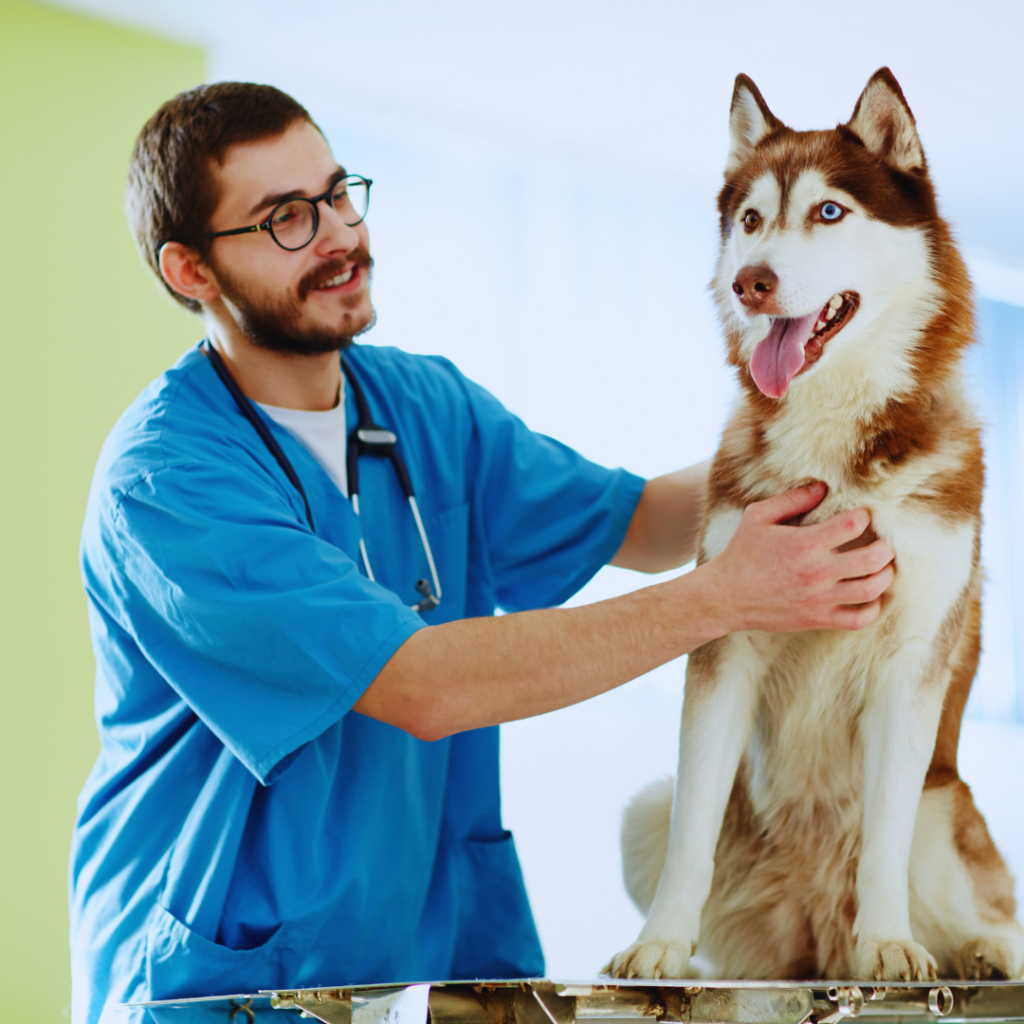
Pet health issues can arise unexpectedly, affecting their quality of life and overall well-being. Many common health problems can be prevented with proactive strategies, such as regular veterinary check-ups, a balanced diet, and proper exercise. Understanding these issues helps pet owners take the necessary precautions.
Preventive pet health strategies play a crucial role in minimizing risks. Regular vaccinations, parasite control, and dental care are fundamental practices that contribute to a pet’s longevity and happiness. By prioritizing these strategies, pet owners can significantly reduce the incidence of serious health issues.
Moreover, consistent veterinary care is essential in detecting potential problems early. Routine examinations enable vets to advise on preventive measures tailored to individual pets, ensuring optimal health throughout their lives. With informed and engaged pet ownership, many common health issues can be effectively avoided.
Common Health Problems in Pets
Pets can experience a variety of health issues, ranging from allergies and dental problems to more serious conditions like cancer and diabetes. Identifying these problems early on can significantly improve the chances of effective treatment and prevention.
Understanding Pet Allergies
Allergies in pets often manifest as skin irritations, ear infections, or gastrointestinal upset. Common allergens include pollen, dust mites, food ingredients, and certain chemicals in household products. Mold, though less often talked about, is another significant allergen for pets. When pets come into contact with mold spores, whether by inhaling them or through skin exposure, they can experience a variety of allergic reactions. These spores can irritate their respiratory system, and lead to symptoms like sneezing, and coughing. Pets may also start scratching, biting, or licking excessively, which can sometimes result in secondary infections.
Treatment options for pet allergies can vary, from dietary adjustments to medications like antihistamines or corticosteroids. Regular cleaning of their living spaces and grooming them can also help reduce their exposure to allergens. And, if mold is the primary cause of the allergies, it’s important to contact a company specializing in Mold Removal in Mishawaka, IN, or elsewhere, to address the issue. This can not only reduce allergic reactions but also create a safer and more comfortable environment for them to thrive in.
Dental Care and Common Issues
Dental health is crucial for pets and often overlooked. Plaque buildup can lead to periodontal disease, which affects a pet’s overall health. Symptoms may include bad breath, swollen gums, or difficulty eating. Routine dental cleanings and at-home care, such as tooth brushing and dental treats, can prevent these issues.
It’s important to check for signs of dental disease regularly. If any concerns arise, a veterinarian should evaluate the pet’s oral health. Addressing dental problems early can prevent more serious complications down the line.
Parasites: Fleas, Ticks, and Heartworms
Parasites pose significant health risks to pets. Fleas and ticks can cause skin irritations and transmit diseases. Heartworms, transmitted through mosquito bites, can lead to severe lung disease and heart failure.
Prevention is key. Pet owners should use veterinarian-recommended preventive medications and regularly check for signs of infestation. Regular grooming and inspections, especially after outdoor activities, can help catch these parasites early. Additionally, the risk of pets contracting heartworms can be reduced by taking effective measures to control mosquitoes, as they are carriers of this parasite. In this regard, pet owners can consider hiring professionals who provide mosquito control services to maintain a healthy environment for both pets and humans.
Skin and Ear Concerns
Skin and ear conditions are common in pets and can stem from allergies, infections, or parasites. Symptoms include redness, swelling, and discharge, affecting a pet’s comfort and health.
Regular grooming and cleaning can help prevent these problems. If symptoms persist, a veterinarian should evaluate the pet, as prescription treatments may be necessary. Not addressing these issues promptly can lead to complications, such as chronic infections.
Serious Conditions: Cancer, Diabetes, and Kidney Disease
Serious health conditions like cancer, diabetes, and kidney disease can affect pets of any age. Cancer may present as lumps or weight loss, while diabetes symptoms include excessive thirst and urination. Kidney disease can manifest through changes in appetite and lethargy.
Routine veterinary check-ups are essential for early detection. Blood tests and regular screenings can help spot these issues before they progress. Awareness of the symptoms and conditions affecting specific breeds may also aid in early identification and treatment.
However, sometimes, despite all the medical care and attention, a pet’s condition can become difficult to manage. In such challenging times, one may consider giving their Pet In Home Euthanasia to relieve their beloved from suffering. It can be a heartbreaking decision to make, but often it is one of the most peaceful and dignified options available.
Preventative Healthcare Strategies
Preventative healthcare strategies are essential in maintaining pet health. Key areas of focus include proper nutrition, exercise, vaccinations, and weight management.
Nutrition: The Importance of a Balanced Diet
A balanced diet is crucial for a pet’s health. It should include proteins, carbohydrates, fats, vitamins, and minerals tailored to the specific needs of the pet.
Key Nutrients:
- Proteins: Essential for growth and tissue repair.
- Fats: Provide energy and support cellular health.
- Carbohydrates: Supply energy and aid digestion.
Owners should consult veterinarians to determine the right diet based on the pet’s age, breed, and health conditions. High-quality commercial pet foods often contain added vitamins and minerals to ensure complete nutrition.
The Role of Regular Exercise
Regular exercise plays a vital role in sustaining a pet’s physical and mental well-being. Active pets are less prone to obesity and related health issues. Additionally, it can also be a protective factor against conditions such as arthritis and joint stiffness, helping pets stay mobile as they age. However, if degenerative joint issues such as canine osteoarthritis start to cause problems, one can consider advanced veterinary treatments that can target pain and inflammation at the source, supporting long-term comfort and mobility.
Exercise Recommendations:
- Dogs: Require daily walks, playtime, and mental stimulation.
- Cats: Benefit from interactive play and climbing structures.
Establishing a consistent exercise routine helps maintain a healthy weight and improve cardiovascular health. Engaging pets through various activities can also reduce behavioral problems caused by boredom.
Vaccinations and Regular Check-Ups
Vaccinations are essential for preventing many serious diseases. Following a recommended vaccination schedule can protect pets from various health threats.
Core Vaccinations:
- Dogs: Rabies, parvovirus, distemper, and hepatitis.
- Cats: Rabies, feline distemper, and feline leukemia.
Regular veterinary check-ups are equally important. They help detect early signs of health issues and allow for timely interventions, keeping pets healthier for longer.
Maintaining a Healthy Weight and Joint Health
A healthy weight is crucial for a pet’s overall health. Maintaining an appropriate weight reduces the risk of conditions like diabetes and joint disorders.
Weight Management Tips:
- Measure food portions according to guidelines.
- Limit treats and high-calorie snacks.
Joint health is also significant, especially in older pets. Supplements such as glucosamine and chondroitin can support joint function and mobility. Regular veterinary consultations can help monitor weight and recommend appropriate supplements as needed.
Specific Concerns for Dogs and Cats
Dogs and cats face specific health concerns that require careful management and prevention strategies. Addressing issues such as arthritis in dogs and serious conditions like feline lower urinary tract disease is essential for maintaining pet health.
Managing Arthritis and Hip Dysplasia in Dogs
Arthritis is a common issue in older dogs, causing joint pain and stiffness. This condition often leads to decreased mobility and a reduced quality of life. Hip dysplasia is another prevalent problem, particularly in larger breeds. It results from abnormal hip joint formation.
To manage these conditions, regular veterinary check-ups are vital. Weight management can significantly ease joint stress. Providing joint supplements like glucosamine and omega-3 fatty acids may also help reduce inflammation.
Moreover, incorporating low-impact exercises, such as swimming or gentle walks, supports muscle strength without straining joints. Physical therapy has proven beneficial, offering pain relief and mobility enhancement through tailored exercises.
Feline Lower Urinary Tract Disease and Related Issues
Feline Lower Urinary Tract Disease (FLUTD) encompasses various urinary issues such as blockages, infections, and bladder stones. Cats with FLUTD may exhibit symptoms like frequent urination or straining to urinate.
Prevention begins with maintaining proper hydration. Cats are often reluctant to drink enough water, so providing wet food can help increase their fluid intake.
Regular litter box cleanliness is crucial for monitoring their health. Observing changes in urination habits prompts timely veterinary attention.
Stress reduction in the home environment assists in preventing flare-ups. Consider calming products or techniques to help minimize anxiety-related urinary issues.
Feline Immunodeficiency and Leukemia
Feline Immunodeficiency Virus (FIV) and Feline Leukemia Virus (FeLV) pose serious risks to cats. Both viruses suppress the immune system, leading to increased vulnerability to infections.
Preventive measures include spaying and neutering to reduce risk behaviors. Keeping cats indoors lowers exposure to potential infections, especially in multi-cat households.
Regular vet check-ups help with early detection and management. Vaccines are available for FeLV, but no effective vaccine exists for FIV; hence, prevention focuses on minimizing exposure.
Educating cat owners about the symptoms of these diseases is essential. Signs may include weight loss, poor coat condition, and frequent illnesses. Early intervention improves outcomes and quality of life for affected cats.