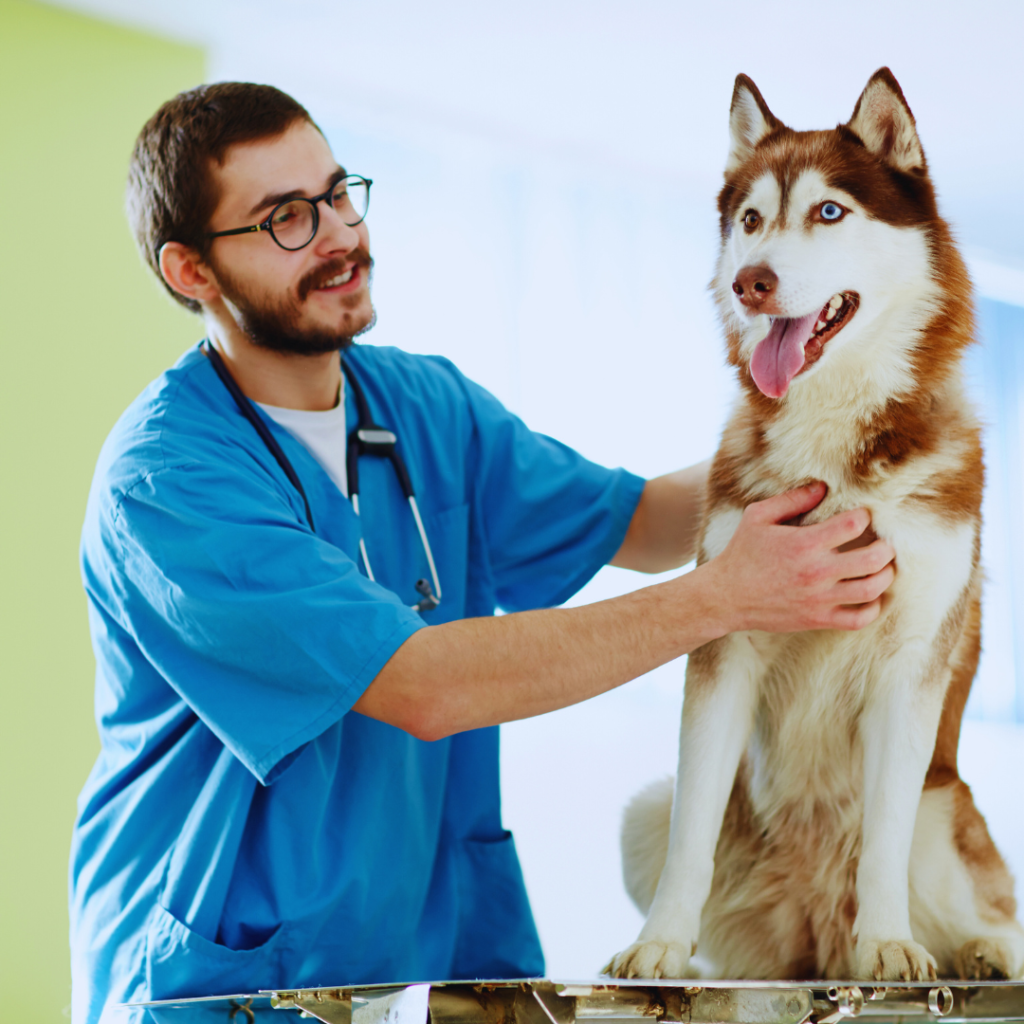

Creating a wellness routine for a dog is essential for maintaining its physical and mental health. A structured approach to exercise, nutrition, and mental stimulation ensures a happier and healthier pet. Establishing a consistent routine can enrich a dog’s life, improve behavior, and strengthen the bond between dog and owner.
Regular exercise is a fundamental aspect of any wellness routine. Dogs require daily physical activity tailored to their age, breed, and health conditions. Activities can range from walks and playtime to training sessions, all contributing to a dog’s well-rounded well-being.
Nutrition plays a crucial role in a dog’s overall health. Choosing the right food, monitoring portion sizes, and providing fresh water are vital components of a wellness routine. Mental stimulation is equally important, as it helps prevent boredom and promotes cognitive function through interactive toys and training exercises.
Establishing Consistent Feeding and Hydration
Consistent feeding and hydration are crucial components of a healthy wellness routine for dogs. Establishing a structured approach helps maintain their physical health and emotional well-being. This section outlines essential practices for nutritious food selection, meal timing, and water availability.
Choosing Nutritious Food for Dogs
Selecting the right dog food is fundamental. It should be high in quality, meeting specific dietary needs based on age, size, and activity level. Look for products that list whole meats, vegetables, and grains as primary ingredients.
Consider formulations tailored for specific needs, such as weight management or digestive health. Consulting a veterinarian can provide valuable insights into allergies or sensitivities. Always check for recognized quality assurance labels to ensure the food’s safety and nutritional value.
Setting Regular Meal Times
Consistency in meal times contributes to digestive health and behavioral stability. Establishing a routine helps dogs anticipate feeding, reducing anxiety around meal times.
Most dogs thrive on two meals per day, spaced approximately 12 hours apart. This schedule aids digestion and helps avoid overfeeding. Owners should adjust portions based on the dog’s age, size, and activity level to maintain a healthy weight.
Using a measuring cup for accurate portion control ensures the dog receives the appropriate amount of food.
Safe Water Access and Schedule
Hydration is vital for a dog’s overall health. Fresh, clean water should be available at all times. Regularly changing the water ensures it remains appealing and free from contaminants.
Establishing a schedule for water availability can also be beneficial, especially for puppies. Aim to monitor their water intake and refill the bowl several times throughout the day.
Owners should observe their dogs’ drinking habits; decreased intake might indicate health issues. Keeping bowls clean and free of debris promotes regular drinking behaviors.
Daily Physical Activity and Exercise
Regular physical activity is vital for a dog’s health and happiness. Engaging in various exercise routines enhances their physical fitness and mental stimulation, helping them lead a balanced life.
Types of Physical Activities
Dogs thrive on different types of physical activities that cater to their energy levels and breed characteristics. Popular options include:
- Walking: Simple and effective. Varies in distance and pace according to the dog’s needs.
- Running: Suitable for high-energy breeds. Allows for stretching their legs and burning off excess energy.
- Swimming: A gentle exercise ideal for joint health, especially in older dogs.
- Agility Training: Involves navigating through obstacles, appealing to dogs that enjoy challenges.
Choosing the right mix keeps routines engaging and caters to the dog’s physical needs.
Structuring Morning and Evening Walks
Morning and evening walks serve as essential components of a dog’s daily routine. Structuring these walks can optimize their benefits.
- Morning Walks: Aim for at least 30 minutes. It’s the perfect time for bonding and socialization opportunities with other dogs or people.
- Evening Walks: Help in winding down for the night. Incorporating different routes can alleviate boredom.
- Duration: Adjust the time based on the dog’s energy levels. Shorter, brisk walks are great for elderly dogs, while younger ones may benefit from longer, leisurely strolls.
Consistency in timing helps establish a routine for the dog.
Playtime for Engagement
Playtime is crucial for a dog’s mental stimulation and emotional well-being. It enriches their lives significantly.
- Interactive Toys: Utilize puzzle toys or treats hidden inside. This encourages problem-solving skills.
- Fetch and Tug-of-War: Traditional games that engage a dog’s natural instincts. They can be played indoors or outdoors.
- Social Playdates: Arranging time with other dogs provides opportunities for social interaction, crucial for well-adjusted behavior.
Monitoring the duration and intensity during play helps prevent overexertion and promotes a healthy balance in their routine.
Integrating Mental Stimulation and Training
Mental stimulation is as crucial for dogs as physical exercise. Engaging their minds not only keeps them happy but also helps prevent behavioral issues. A combination of puzzle toys, training sessions, and positive reinforcement can create a balanced approach to mental wellness.
Incorporating Puzzle Toys and Games
Puzzle toys are excellent tools for challenging a dog’s intellect. These toys often require the dog to solve a problem to access a treat inside. Owners should choose toys appropriate for their dog’s size and skill level.
Rotating these toys can maintain interest and provide continual stimulation. In addition to commercial options, simple games like hide-and-seek or scent trails can encourage exploration and problem-solving. Engaging a dog with interactive games can set the foundation for an enriched routine.
Short, Effective Training Sessions
Training sessions should be short, ideally lasting between 5 to 10 minutes. Frequent, brief sessions cater to a dog’s attention span while providing mental exercise. Owners can focus on basic commands like sit, stay, and down before gradually introducing new skills.
Incorporating fun tricks can keep the sessions lively and enjoyable. This approach also reinforces good manners and builds a dog’s confidence in their ability to learn. Consistency is key; regular training helps solidify the dog’s understanding and retention of commands.
Positive Reinforcement Techniques
Using positive reinforcement is vital in mental training. Dogs respond best to rewards such as treats, praise, or playtime. Owners should immediately reward desired behaviors to create a strong association.
Different types of rewards can be employed based on the dog’s preferences. Varying the rewards will keep the dog motivated and eager to participate. For instance, combining treats with play can enhance the learning experience, making it both effective and enjoyable.
Creating a Restful and Balanced Environment
A calm and nurturing space is essential for a dog’s well-being. Key factors include appropriate sleeping areas and opportunities for social interaction, along with careful observation of behavior.
Quality Sleep and Rest Areas
Dogs require quality sleep to maintain their health. Providing a comfortable bed in a quiet area is crucial. Elevated beds with orthopedic support are beneficial, especially for older dogs.
Consider these elements:
- Location: Set the bed away from noise and traffic.
- Bedding: Use materials that are washable and hypoallergenic.
- Temperature Control: Ensure the space is adequately ventilated and has a comfortable temperature.
Creating a cozy nook with familiar scents also encourages restful sleep.
Daily Bonding and Socialization
Daily interaction is vital for a dog’s mental and emotional health. Regular bonding activities can strengthen the owner-pet relationship and provide essential social stimulation.
Practice these activities:
- Playtime: Engage in fetch or tug-of-war.
- Training Sessions: Utilize positive reinforcement techniques to teach new commands.
- Walks: Regular outdoor excursions expose dogs to new environments and social situations.
Socializing with other dogs is also important. It helps develop confidence and reduces anxiety.
Monitoring Behavior and Well-Being
Observing a dog’s behavior can provide insights into their overall health and well-being. Subtle changes in behavior may indicate stress or discomfort.
Look for signs like:
- Decreased interest in activities.
- Changes in appetite or sleep patterns.
- Signs of anxiety, such as excessive barking or hiding.
Maintaining a consistent routine allows for better monitoring. Keeping a journal of behaviors can also help identify trends or concerns, which can be discussed with a veterinarian when needed.