A pet’s coat is an essential indicator of its overall health and well-being. Regular grooming plays a critical role in keeping coats healthy and shiny, as it removes dirt, loose hair, and dead skin while distributing natural oils. Understanding the grooming needs specific to each breed can elevate the effectiveness of this routine.
Proper grooming techniques can significantly enhance a pet’s appearance and comfort. Tools such as brushes, combs, and shampoos designed for individual coat types are crucial. Additionally, incorporating a balanced diet rich in omega fatty acids can contribute to a lustrous coat.
Adopting a consistent grooming schedule not only fosters a bond between the pet and owner but also prevents matting and skin issues. Engaging in this routine helps to ensure that pets look and feel their best, reflecting their overall health and happiness.
Daily Brushing for a Glossy and Healthy Coat
Daily brushing is essential for maintaining a shiny, healthy coat. It helps distribute natural oils, removes loose hair, and prevents mats and tangles. This section explores selecting the right brush, effective techniques, and ways to avoid mats.
Selecting the Best Brush for Different Coat Types
Choosing the right brush is crucial based on the pet’s coat type. For dogs with short hair, a bristle brush is effective for distributing oils and removing dirt. For medium to long coats, a pin brush works well to detangle and smooth the fur.
Slicker brushes are ideal for removing mats and tangles in long-haired breeds. For heavy shedders, a deshedding tool can efficiently remove undercoat fur. Understanding the specific needs of the coat type ensures better grooming results and a healthier appearance.
Effective Brushing Techniques
Brushing should begin at the head and work towards the tail. This method reduces stress for the pet. It’s important to brush in the direction of hair growth to minimize discomfort.
Use gentle pressure to avoid skin irritation. For long-haired pets, sectioning the coat into manageable portions makes brushing easier and more effective. For short-haired breeds, short, quick strokes suffice, while long-haired breeds may require longer, smoother strokes.
Regular brushing sessions, lasting from 5 to 15 minutes, depend on the coat type and length. Encouraging the pet with treats can make the experience more enjoyable and positive.
Avoiding Mats and Tangles
To prevent mats and tangles, daily brushing is essential, focusing on areas prone to matting, such as behind the ears and under the legs. When encountering a mat, use a slicker brush or fingers to gently work it apart without pulling on the skin.
A deshedding tool can help remove loose fur before it forms mats. Keeping the coat moist with a light coat conditioner can also reduce friction and ease brushing. Regular grooming not only maintains a shiny coat but also enhances the pet’s comfort and health.
Bathing and Cleansing Routines
Establishing an effective bathing and cleansing routine is crucial for maintaining a dog’s coat. Key areas to focus on include how often to bathe, selecting appropriate products, and proper drying techniques.
Determining Bathing Frequency
The frequency of bathing depends on several factors, including the dog’s breed, activity level, and coat type. For instance, dogs with oily or thick fur may require bathing every 4-6 weeks, while those with dry or sensitive skin might need every 6-8 weeks.
In addition, active dogs or those who frequently play outdoors might need more frequent baths to remove dirt and odors. Owners should monitor their dog’s coat condition and adjust the schedule accordingly.
Signs that a dog may need a bath include visible dirt, odor, or excessive shedding. Regular grooming can help extend the time between baths by reducing dirt build-up.
Choosing the Right Dog Shampoo
Selecting the right dog shampoo is essential for coat health. Look for products specifically designed for canine use, as human shampoos can disrupt a dog’s natural pH balance.
Types of Shampoo:
- Hypoallergenic: Good for sensitive skin.
- Medicated: Useful for skin conditions like allergies or infections.
- Deodorizing: Effective for dogs prone to odor.
Check the ingredient list to avoid harsh chemicals. Natural ingredients like oatmeal or aloe vera are beneficial for soothing the skin. It’s advisable to perform a patch test before using a new shampoo to prevent allergic reactions.
Proper Drying Methods
Drying a dog properly after a bath is vital for coat health. Owners can choose between towels and blow dryers, depending on the dog’s comfort level and coat type.
For towel drying:
- Use an absorbent towel to gently blot the coat.
- Avoid rubbing, as this can damage the coat and irritate the skin.
For blow drying:
- Use a dog-specific dryer to avoid overheating and skin irritation.
- Keep the dryer at a safe distance and utilize a low heat setting.
Regardless of the method, ensure that the dog is dried thoroughly to prevent skin issues. Regular monitoring after bathing can help maintain coat health and comfort.
Diet, Shedding, and Seasonal Care
Maintaining a healthy coat involves proper nutrition, managing seasonal shedding, and using the right tools effectively. Each factor plays a crucial role in keeping a pet’s coat shiny and manageable.
Nutrition for a Shiny Coat
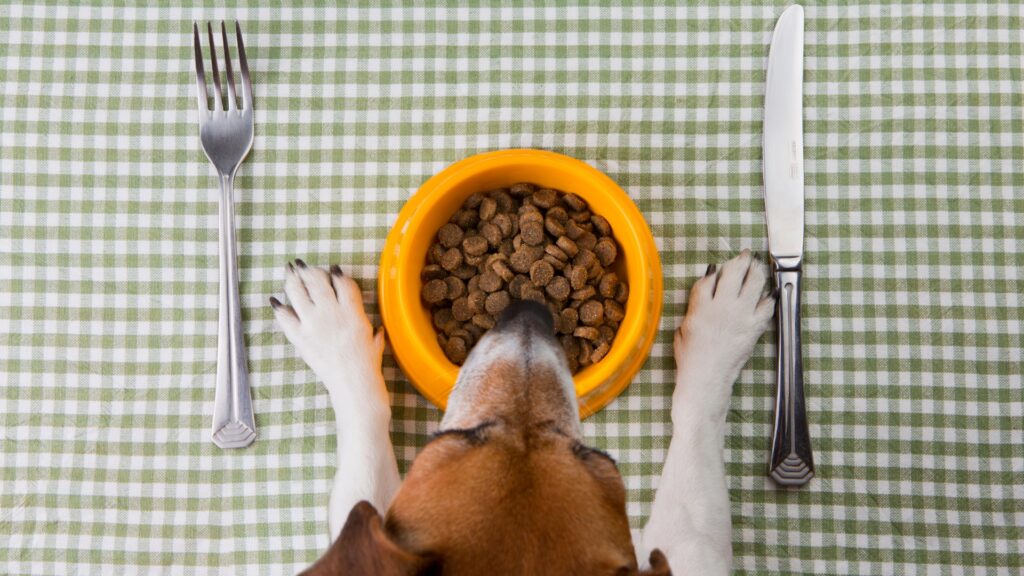
A balanced diet is fundamental for a glossy coat. Essential fatty acids, particularly Omega-3 and Omega-6, support skin health and coat shine. High-quality proteins from sources like chicken, fish, or lamb contribute to hair strength.
Key Nutrients include:
- Protein: Builds hair structure.
- Fatty acids: Boost shine and hydration.
- Vitamins (A, E, and Biotin): Promote skin health.
Consider incorporating supplements such as fish oil for added benefits. It’s important to monitor the pet’s weight and adjust portions accordingly, ensuring they receive optimal nutrition without overfeeding.
Managing Shedding Across Seasons
Pets often shed more during seasonal changes. Spring and fall are common times for increased shedding as animals adapt to temperature fluctuations. Regular grooming helps control loose fur and minimize mess.
Shedding Management Tips:
- Regular brushing: Use a deshedding tool to remove loose fur.
- Bathing: Use gentle, moisturizing shampoos to cleanse and hydrate skin.
- Humidity levels: Maintain adequate humidity in the home to reduce dry skin.
Understanding the pet’s specific shedding patterns aids in creating a suitable grooming schedule and prevents excessive buildup of fur.
Using Tools to Reduce Excess Fur
Effective grooming requires the right tools. A deshedding tool is essential for maintaining a healthy coat and reducing fur around the home. These tools can remove loose hairs effectively and prevent mats from forming.
Types of Tools:
- Deshedding brushes: Designed to reach the undercoat and remove dead hair.
- Rakes: Useful for pets with thicker coats to untangle fur.
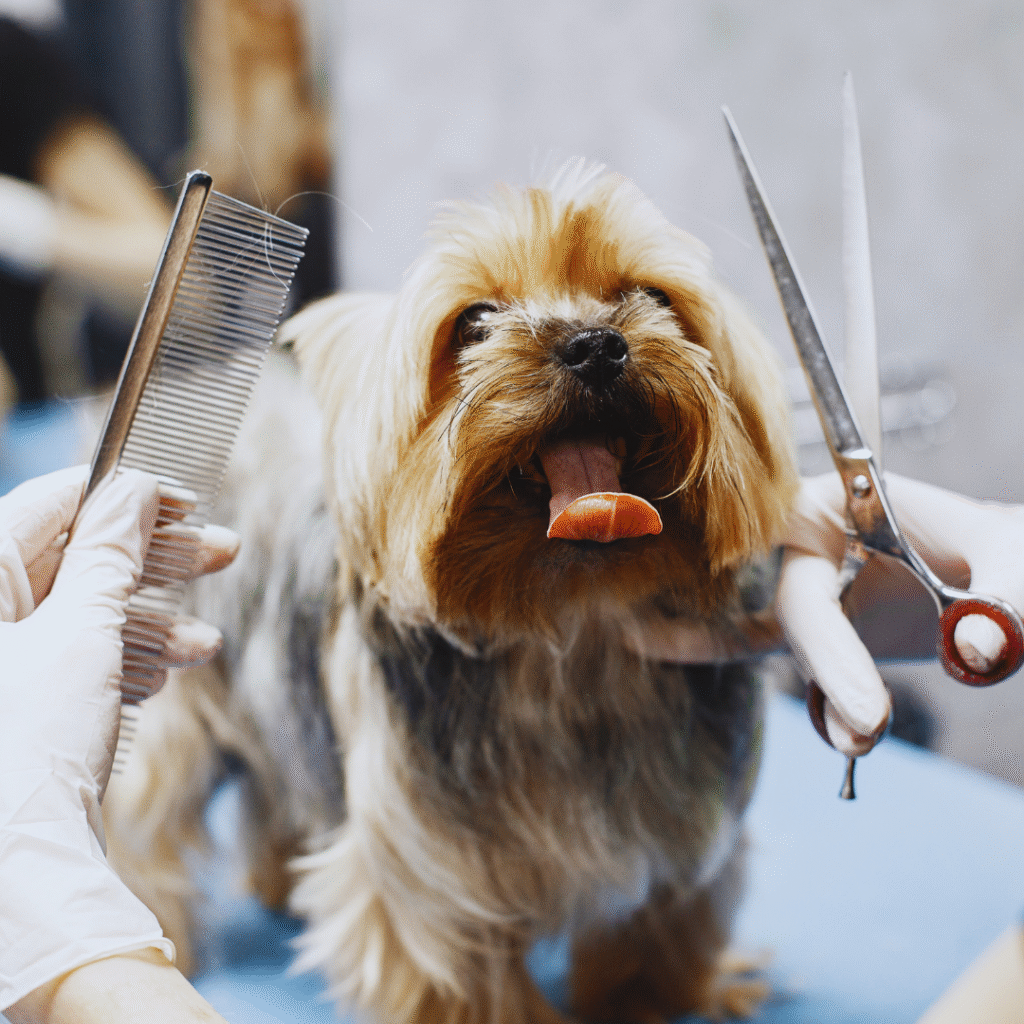
- Combs: Ideal for finishing touches and ensuring a smooth appearance.
Selecting the right tools based on the pet’s coat type can significantly enhance grooming effectiveness. Regular use of these tools keeps the coat shiny and healthy.
Health Checks and Routine Grooming Essentials
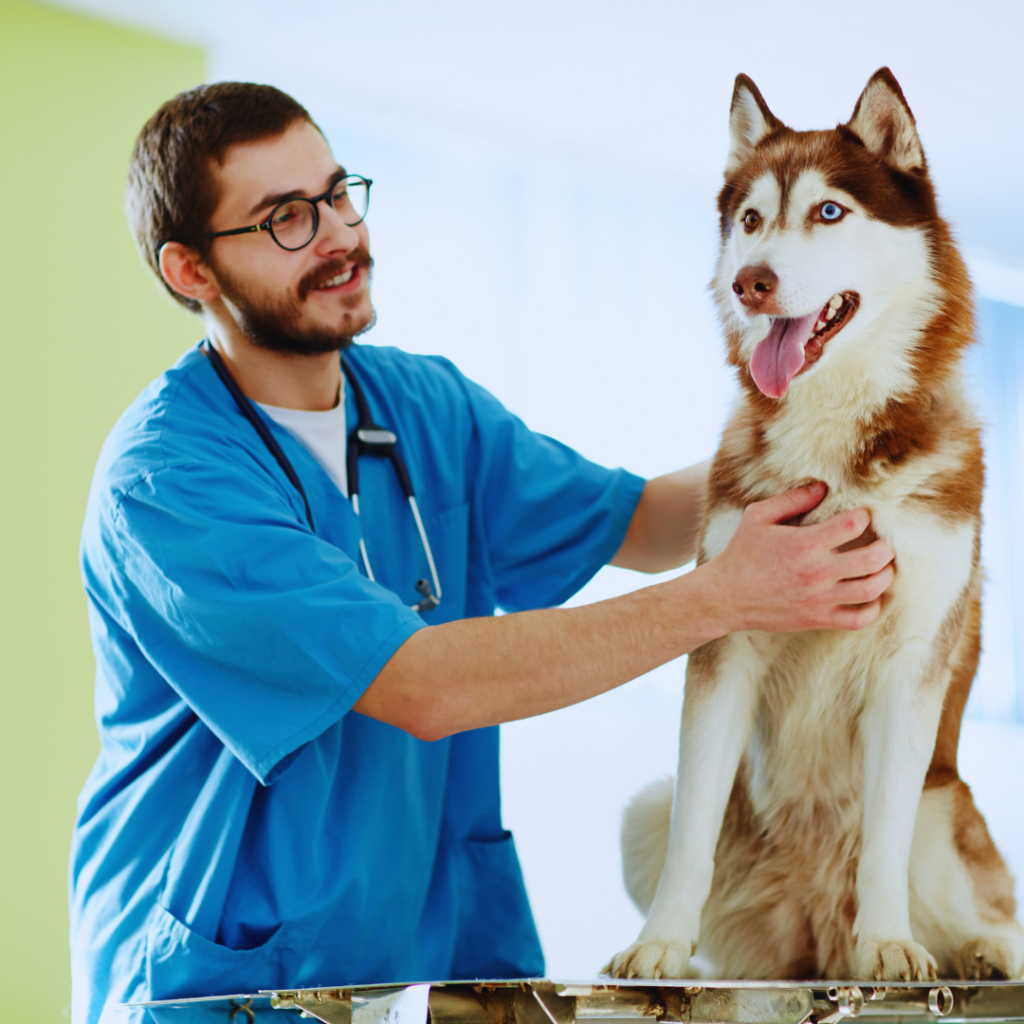
Routine grooming not only enhances a pet’s appearance but also plays a crucial role in their overall health. Regular checks can help identify problems early and keep the coat looking its best.
Skin and Coat Health Monitoring
Healthy skin and a shiny coat are vital indicators of a pet’s well-being. Regular brushing is essential to remove loose hair, dirt, and debris. It also helps distribute natural oils throughout the coat, promoting shine.
Inspect the skin for any abnormalities, such as:
- Redness
- Flakiness
- Bumps or lumps
These signs may indicate skin infections or allergies. Bathing should be done periodically, using pet-specific shampoos that maintain the skin’s natural pH balance. After bathing, conditioning products can help retain moisture and enhance shine.
Feeding a balanced diet rich in Omega-3 fatty acids can also support skin and coat health. Supplements may be beneficial, but consult with a veterinarian before starting any new regimen.
Ear and Nail Care
Regular ear and nail care are essential grooming tasks. Ears should be checked at least once a week for dirt, wax buildup, or signs of infection. Cleaning can be done using vet-recommended ear cleaners and cotton balls.
Signs of ear issues include:
- Unusual odor
- Redness
- Excessive scratching
Nail trimming is critical to prevent discomfort and potential injury. Most dogs and cats require nail trimming every 3-4 weeks.
To trim nails safely, use:
- Nail clippers
- A Dremel tool for smoothing edges
For pets that resist nail trimming, gradual desensitization can help. Regular ear and nail maintenance contributes to a pet’s overall comfort and health.