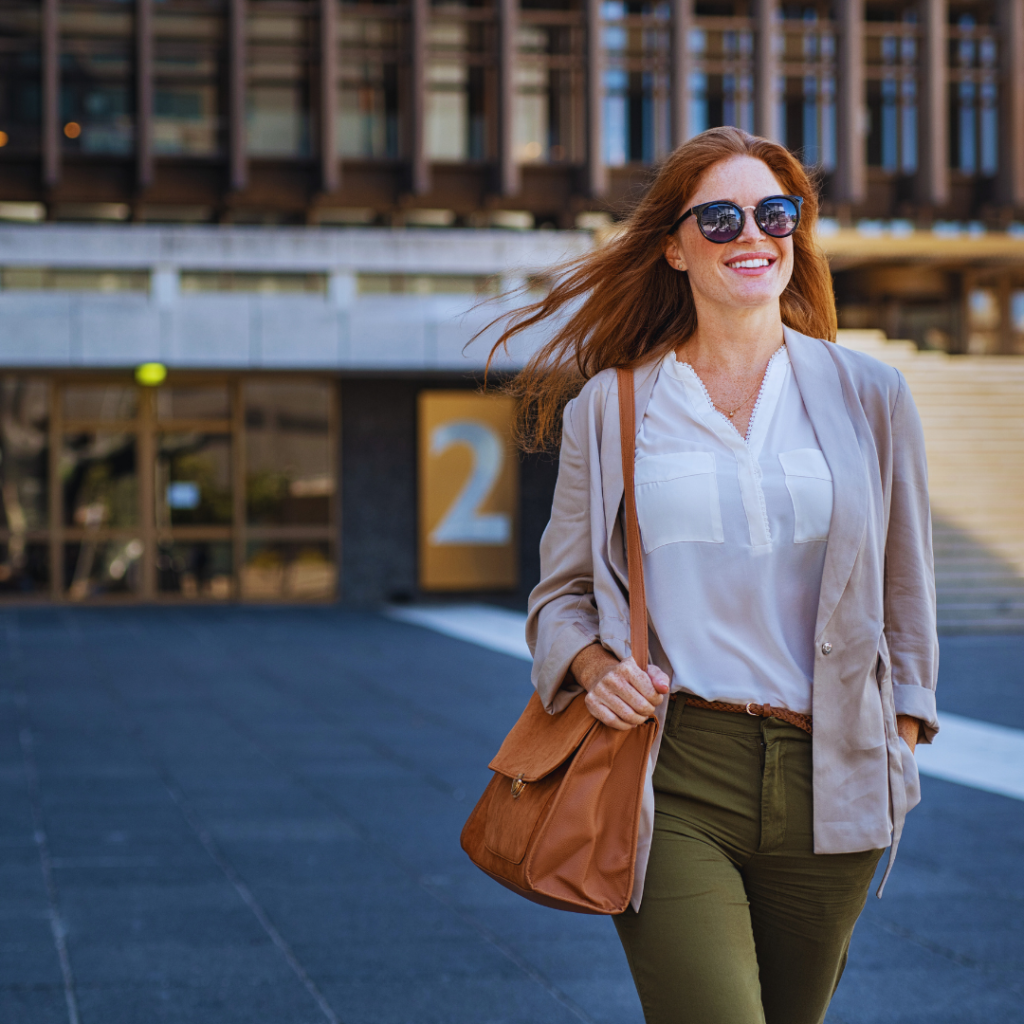
Fashion as well as physical changes, plays a significant role in shaping an individual’s confidence. The way people dress impacts their self-perception and how others perceive them, influencing their overall sense of self-worth. The same can be applied to their physicality, which is why those who feel self-conscious will think about going for breast enhancement procedures White Plains NY to help them feel good in their body and wear their fashion with pride. A carefully curated wardrobe allows for self-expression, enabling individuals to communicate their personality and attitude through style choices.
When someone feels good in what they wear, it often translates to greater confidence in social and professional situations. Clothes can serve as a form of armor, helping individuals project their best selves. As they navigate various environments, the right attire can boost their comfort levels and enhance interactions with others.
Moreover, fashion trends and personal style can empower individuals to embrace their uniqueness. By experimenting with different looks, they can discover what resonates best with their identity, ultimately fostering a stronger sense of confidence. Engaging with fashion not only provides aesthetic enjoyment but also reinforces the belief in their own value and presence in the world.
The Psychology Behind Fashion and Confidence
Fashion influences confidence through various psychological mechanisms. Understanding concepts such as enclothed cognition and color psychology can demystify how clothing choices affect mental states. Additionally, examining the relationship between fashion, mental health, and social perception reveals deeper implications for self-image and authority.
In addition to fashion, some individuals complement their style with aesthetic enhancements to achieve a more cohesive and polished look. Procedures like Chin Implant Surgery in Beverly Hills (or elsewhere) or rhinoplasty, for instance, can often help create a more balanced facial profile, which, in turn, may enhance how they feel about themselves when dressed in their favorite attire. This integration of aesthetic enhancements with fashion could address both external and internal aspects of confidence.
Enclothed Cognition and Self-Perception
Enclothed cognition refers to the effect clothing has on the wearer’s psychological processes. This theory suggests that the garments one chooses can impact behavior and self-perception.
When individuals put on professional attire, they may feel more competent or authoritative. This is linked to the cognitive association of clothing with roles and statuses. For example, a business suit may enhance feelings of confidence during a job interview.
Research indicates that participants wearing formal attire performed better in cognitive tasks compared to those in casual clothing. Such findings highlight that the right outfit can boost one’s self-efficacy and how one approaches challenges.
Color Psychology and Mood Influences
Color psychology explores how different colors evoke various psychological responses. Certain hues can uplift mood or incite confidence.
For instance, wearing red has been associated with increased energy and assertiveness. In contrast, blue often evokes calmness and trustworthiness. Choosing colors intentionally can enhance an individual’s mood and influence social interactions.
Fashion enthusiasts often select colors based on their intended emotional impact. For example, someone going to a celebration might opt for bright, vibrant colors to convey joy. Understanding these associations allows individuals to leverage color to bolster their confidence in specific situations.
Fashion Choices and Mental Health
Fashion choices can significantly impact mental health. Clothing may serve as a form of self-expression, allowing individuals to communicate their identity.
Many find that wearing clothing they enjoy can elevate their mood. Conversely, a mismatch between self-identity and clothing can lead to feelings of discomfort.
People struggling with self-esteem may choose clothing that reflects societal standards rather than personal preference. This dissonance can exacerbate feelings of unworthiness. Thus, making conscious fashion choices aligned with the self may enhance mental well-being and confidence levels.
Clothing and Social Perception
Fashion profoundly influences how individuals are perceived by others. Many social judgments are made based on clothing, which can affect personal and professional opportunities.
For instance, someone dressed in high-end fashion may be perceived as having higher social status or authority. Such perceptions can open doors in networking or career advancement.
Conversely, dressing in a manner deemed inappropriate for a setting may lead to negative judgments. This highlights the importance of choosing clothing that aligns not only with self-identity but also with the social context. A well-considered wardrobe can enhance how individuals are viewed and ultimately their confidence.
Expressing Identity and Personal Style
Fashion serves as a powerful medium for self-expression, allowing individuals to convey their unique identities and personal styles. The way one dresses can reflect individuality, authenticity, and perspectives on current fashion trends.
The Role of Clothing in Self-Expression
Clothing plays a pivotal role in how individuals present themselves to the world. Every choice, from colors to styles, communicates something about one’s identity. For example, someone may choose vibrant colors to express a joyful personality or minimalist styles to reflect simplicity.
The interplay between personal preferences and societal expectations also influences choices. Individuals often navigate through fashion trends to find pieces that resonate with their authentic selves. This process allows for a deeper understanding of personal style and promotes confidence in one’s unique identity.
Many individuals turn to professional aesthetic treatments to refine their appearance and enhance self-expression. These treatments can address concerns like fine lines or volume loss, allowing for a more harmonious blend of personal style and physical confidence. For instance, options such as Botox London Professional Aesthetics provide targeted solutions that promote natural skin health without overwhelming the overall look. This integration not only supports a positive self-image but also encourages individuals to experiment with fashion more freely. Ultimately, combining aesthetic care with wardrobe decisions fosters a deeper sense of empowerment in daily life.
Individuality and Authenticity
Emphasizing individuality in fashion promotes authenticity. When individuals dress according to their tastes rather than conforming to trends, they showcase their true selves. This authenticity can bolster self-esteem and confidence.
Unique styles signal to others their values and influences, such as cultural backgrounds or personal experiences. Many find strength in embracing quirks, resulting in a distinctive fashion sense. Ultimately, authenticity fosters connections with others who appreciate genuine expressions of self.
Fashion Trends Versus Personal Style
Fashion trends offer a temporary lens through which individuals can explore styles. However, relying solely on trends may dilute one’s individuality. A keen awareness of personal style ensures that an individual remains true to themselves amidst the shifting landscape of fashion.
By mixing trendy pieces with timeless styles, individuals can create a versatile wardrobe that reflects their identity. This allows them to express themselves authentically while still engaging with contemporary fashion. Balancing personal style with trends fosters confidence and a sense of belonging in a diverse fashion environment.
The Impact of Dressing for Success
Dressing appropriately can significantly influence an individual’s confidence and sense of empowerment. The way one presents themselves, especially in professional and social settings, can enhance feelings of competence and acceptance.
Professional Attire and Workplace Confidence
Professional attire plays a crucial role in the workplace. When individuals dress in a manner that aligns with their professional environment, they often experience increased confidence. A well-fitted suit, polished shoes, and neat grooming signal professionalism. This visual representation can lead to greater respect from colleagues and supervisors.
Research indicates that employees who dress professionally report feeling more capable and ready to tackle their tasks. This boost in confidence can enhance productivity and facilitate better communication with others. Additionally, adhering to a company’s dress code helps individuals feel integrated into their work culture.
Empowerment Through Power Dressing
Power dressing is a concept that emphasizes the psychological effects of clothing. When individuals wear outfits that convey authority—such as blazers or tailored dresses—they often feel more empowered. These garments project strength and confidence, which can alter how they approach different situations.
Power dressing also enables individuals to assert themselves more effectively in meetings or negotiations. The impact is amplified when combined with assertive body language. This practice reinforces the connection between attire and self-assuredness, leading to heightened self-esteem and improved interpersonal interactions.
Status and Formal Attire in Social Contexts
In social contexts, formal attire can create a perceived status that influences interactions. Dressing well can elevate one’s social standing, leading to heightened recognition within a group. Individuals who invest time in their appearance often attract positive attention.
Events such as weddings, gala dinners, or formal business functions underscore the importance of attire in establishing social connections. Wearing appropriate formal attire not only signals respect for the event but also enhances one’s comfort level within social dynamics. This acknowledgment can lead to increased networking opportunities and stronger relationships.
Fashion’s Role in Well-being and Self-care
Fashion significantly influences individual well-being and self-care practices. The way one dresses, can impact comfort levels, body image, and ultimately, confidence. Each choice in attire can serve as an expression of creativity, providing a powerful avenue for empowerment.
The Link Between Wardrobe Choices and Comfort
Wardrobe choices directly affect physical comfort, which in turn influences mental well-being. Fabric fits, and styles that prioritize comfort can lead to a more relaxed state. Wearing clothes that feel good on the body can enhance mood and reduce anxiety.
Comfortable clothing often allows individuals to engage fully in daily activities, fostering a sense of freedom. When comfort is prioritized, it can significantly boost self-confidence and encourage a positive self-image.
Cultivating a Positive Body Image Through Fashion
Fashion can play an essential role in shaping how individuals perceive their bodies. By selecting attire that flatters their unique shapes, individuals can foster a more positive body image. Embracing personal style allows for the celebration of one’s individuality, reinforcing self-esteem.
Choosing colors and styles that resonate personally can create a sense of joy and self-acceptance. A wardrobe that reflects personal tastes can enable individuals to face the world with confidence, positively impacting their mental health and outlook.
Of course it can be hard to feel good about your body when it doesn’t look great in your mind. There are ways you can help with this from building a fitness regime to visiting a Top plastic surgeon philadelphia, for example. It depends on preferences. We all need a little boost from time to time, and whilst fashion is a great outlet, sometimes people need more permanent changes.
Creativity and Personal Empowerment in Dressing
Fashion serves as a canvas for self-expression, where creativity meets identity. When individuals engage in the process of selecting outfits, they exercise personal choice, which can be empowering. This act of dressing can affirm their sense of self and enhance their confidence.
Creative dressing encourages individuals to experiment with different looks and styles, fostering a sense of adventure. Personal empowerment through fashion cultivates an environment where self-care routines can flourish, contributing to overall well-being.

